Myth: My Car Insurance Always Covers a Rental Car After an Accident.
Honestly, that’s a common belief, and it’s one that can leave you stranded. Many Californians assume their auto insurance policy automatically includes a rental car if their own vehicle is out of commission after a crash. It feels like a basic necessity, right? Especially if you live somewhere like the Valley where public transit isn’t always the easiest option, or if your commute takes you over the Grapevine every day.
But here’s the thing. It doesn’t. Not automatically, anyway. Your standard liability and collision coverage handles damage to your car or someone else’s. That’s big. What it doesn’t do, on its own, is pay for a temporary set of wheels while yours is in the shop. That falls under something called “rental reimbursement” or “rental car coverage,” and it’s an optional add-on.
Think about it. You get into a fender bender on the 405. Your car is drivable but needs body work. Or worse, it’s towed away, a total loss. What do you do for the next few days, or even weeks? Without rental reimbursement, you’re footing that bill yourself. And in California, with car rental prices sometimes feeling like they’re competing with a down payment on a house, that can add up fast.
Why Most Californians Should Consider Rental Reimbursement
California is a car state. We drive everywhere. From the beaches of Ventura County to the sprawling Inland Empire, our cars are our lifelines. Work, school, grocery runs, weekend trips to Big Bear – they all depend on a functioning vehicle. Losing that mobility, even for a short time, can throw your whole life into chaos.
Imagine your car gets damaged in one of those sudden downpours that turn our freeways into slip-n-slides. Or maybe you’re hit by an uninsured driver – a sadly common occurrence here. Your car needs extensive repairs. Body shops, especially after a bad storm or busy accident season, can have weeks-long backlogs. Parts shortages? They happen. All this means your car could be out of commission for a lot longer than you’d expect.
Without rental reimbursement, you’d be paying out of pocket for a rental car for that entire period. A standard rental can easily run you $50-$100 a day, maybe more for an SUV if you’ve got a family. Over two or three weeks, you’re looking at hundreds, if not thousands, of dollars. That’s a chunk of change most people haven’t budgeted for.

What Does Rental Reimbursement Actually Cover?
This isn’t a blank check for a luxury car. Rental reimbursement coverage usually comes with daily limits and a maximum total amount. You might see something like “$30/day with a $900 maximum.” This means your policy will pay up to $30 per day for a rental car, and it won’t pay more than $900 for the entire rental period.
These limits are important. If you rent a car that costs $50 a day, your insurance will only cover $30 of that, leaving you to pay the remaining $20. And once you hit that $900 cap, the coverage stops, even if your car is still in the shop. So, picking a rental car that fits within your policy’s limits is smart. It’s also worth noting that these limits apply only when your car is being repaired due to a covered claim – like a collision or comprehensive loss. It doesn’t pay for a rental if your car is just in for routine maintenance.
Which brings up something most people miss: the type of claim matters. If your car is damaged in a collision where you’re at fault, your rental reimbursement will kick in *if you have it*. If someone else hits you, *their* liability coverage should cover your rental car. The problem? Sometimes getting their insurance to pay takes time. Weeks, even. Having your own rental reimbursement means you don’t have to wait. You can get a car immediately, and your insurer might then try to get their money back from the at-fault driver’s insurance. That’s called subrogation, and it’s their problem, not yours.
Myth: My Credit Card or Personal Auto Policy Covers Rental Cars I Drive.
This one’s a bit of a trick. The short answer is yes. The real answer is more complicated.
Many credit cards offer some form of rental car insurance. Usually, this is secondary coverage, meaning it kicks in *after* your personal auto insurance has paid out. It might cover the deductible or other gaps. But it’s rarely primary coverage, and it almost never covers liability – which is the biggest risk when driving someone else’s car. Plus, these policies often exclude certain types of vehicles, like exotic cars, trucks, or even some SUVs. Always read the fine print on your credit card benefits guide.
As for your personal auto policy covering *rental cars you drive* – yes, your existing collision and comprehensive coverage generally extends to a rental car you lease for personal use. So if you rent a car for a vacation to Lake Tahoe and crash it, your collision coverage would likely pay for the damage, minus your deductible. This is different from rental reimbursement, which pays for a car *when your own vehicle is damaged*. Confusing, I know. It’s a common point of misunderstanding.
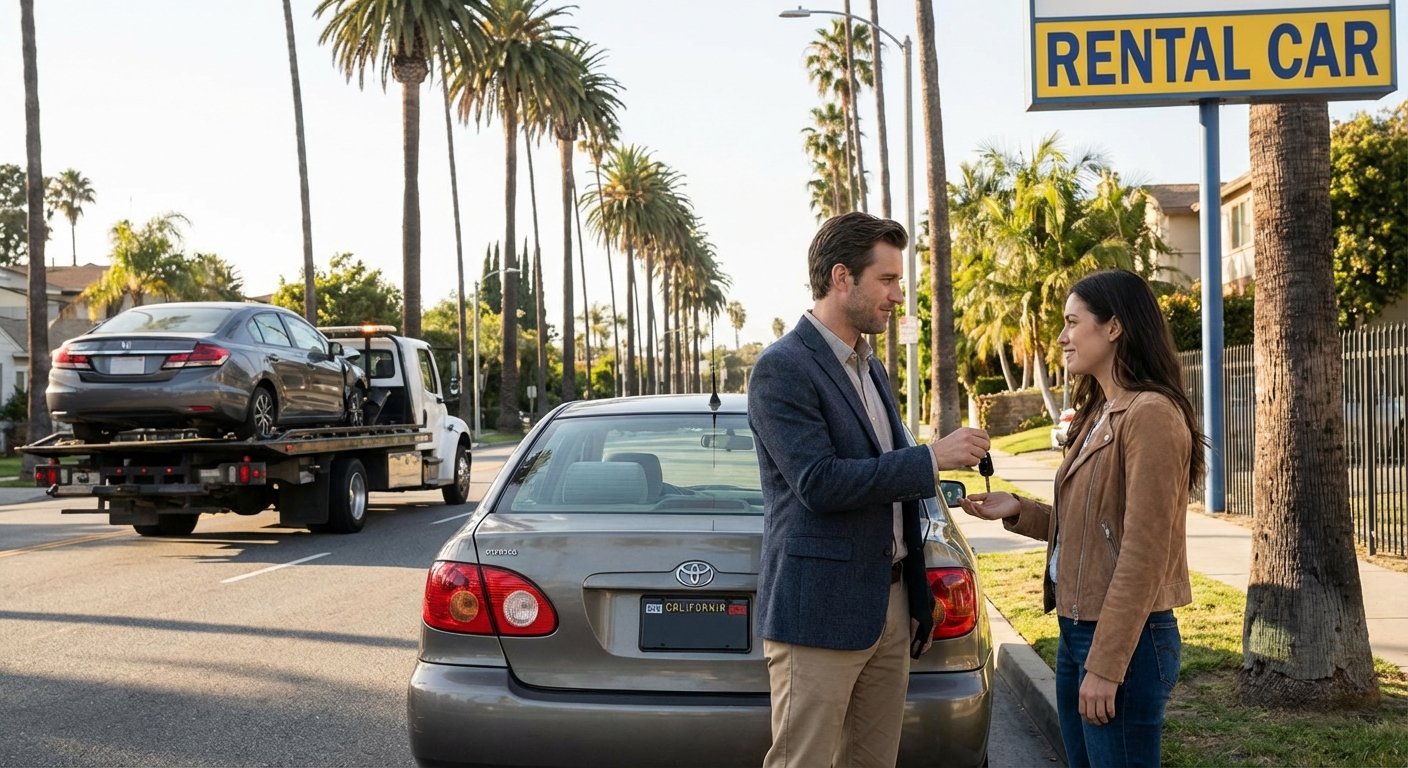
The Real Difference: Rental Reimbursement vs. Rental Car Coverage for Vacations
Let’s clarify this.
* **Rental Reimbursement:** This is for when *your personal car* is out of commission due to a covered claim. It pays for a replacement vehicle so you can maintain your daily life.
* **Coverage for Rental Cars (like for a vacation):** This is about your existing collision and comprehensive coverage extending to a car you rent from a rental agency for a trip. It helps pay for damage to *that rental car*.
See the distinction? One helps you after your car is damaged; the other protects you when you’re driving a temporary car. They’re related but serve different purposes. Don’t confuse them.
Myth: Rental Reimbursement is Expensive.
Compared to the cost of renting a car out-of-pocket for weeks, rental reimbursement is often quite affordable. We’re talking about a few extra dollars on your premium, not hundreds. For many policies, adding rental reimbursement might only increase your annual premium by $20 to $60. That’s less than the cost of one day’s rental.
When you weigh that small additional cost against the potential financial hit of thousands of dollars if your car is in the shop for a month – say, after a bad accident on the 101 in Santa Barbara or if you hit a deer in the Sierra foothills – it starts to look like a pretty smart investment.
Consider the peace of mind. Knowing that if something happens, you won’t be scrambling for rides or draining your savings just to get to work. That’s worth a lot.
Navigating the California Insurance Market
California’s insurance market can be… interesting. Prop 103, wildfire risks affecting coverage in certain areas, the sheer volume of drivers – it all plays a part. Finding the right coverage, especially for something seemingly small like rental reimbursement, means asking the right questions.
If you’re wondering about adding this to your policy, or if you’re not sure what your current policy actually covers, it’s always best to talk to an expert. Karl Susman at California Car Insurance Pros, CA License #OB75129, has been helping Californians sort through these details for years. He’s seen it all, from minor fender benders in Sacramento to major claims in San Diego. A quick chat can clear up any confusion and make sure you’re properly protected. Give him a call at (877) 411-5200.
It’s not just about getting the cheapest policy. It’s about getting the *right* policy. One that truly covers you when you need it most. Many people focus so much on the big coverages – collision, liability – that they overlook these smaller, but incredibly useful, add-ons. Don’t be one of them.
If you’re in California and want to understand your auto insurance options better, especially how rental reimbursement fits into your plan, don’t guess. Get the facts. Click here to get a quote and see what coverage makes sense for you.
Myth: All Rental Reimbursement Policies Are the Same.
Not even close. Just like with any other insurance product, the specifics can vary quite a bit from one insurer to another. State Farm might offer different daily limits and maximums than AAA or Farmers. Some policies might have a waiting period before the coverage kicks in. Others might only cover a rental for a certain number of days, regardless of the maximum dollar amount.
It’s not just the numbers, either. Some policies might have restrictions on the type of vehicle you can rent. Maybe they won’t cover a luxury car, even if your own vehicle was a high-end model. Or perhaps they have a preferred network of rental agencies, and if you go outside that network, your reimbursement might be lower.
This is why reading your policy documents is so important. Really, who does that? Most of us just sign on the dotted line and hope for the best. But when it comes to something like rental reimbursement, those details can make a huge difference if you ever need to use it. Don’t just assume. Ask your agent pointed questions about the daily limits, the total maximum, and any other exclusions or requirements.
When Your Car Is Undrivable: The Towing Question
Often, if your car is undrivable after an accident, it’ll need to be towed. Does rental reimbursement help with that? No. Towing coverage is a separate add-on, usually called “roadside assistance” or “towing and labor.” While rental reimbursement helps you once your car is *in the shop*, towing gets it *to the shop*. They’re two different beasts, but both are incredibly useful if your car breaks down or is damaged.
Imagine you’re driving through a remote part of the Sierra Nevada, your car breaks down, and you need a tow back to a major city like Fresno. Without towing coverage, that’s a massive bill. Without rental reimbursement, you’re also stuck without a way to get around once you’re back in town and your car is being fixed. It’s a double-whammy.
California drivers face all sorts of scenarios – from city traffic jams to long stretches of highway. Being prepared for the unexpected isn’t just smart; it’s practically a necessity.
Frequently Asked Questions About California Rental Reimbursement
How quickly can I get a rental car after a claim?
Most policies allow you to get a rental as soon as your car is deemed undrivable or starts repairs for a covered claim. There’s usually no waiting period, but always confirm with your insurer or agent.
Can I choose any rental car company?
Often, yes, but your insurance company might have preferred partners or offer better reimbursement if you use one of their recommended agencies. Always check your policy’s specifics or ask your agent first.
What if my car is declared a total loss? Does rental reimbursement still apply?
Yes, rental reimbursement typically covers you for a set period while your claim is being processed and you’re looking for a replacement vehicle. This usually lasts until your insurer pays out the actual cash value of your totaled car, or for a specified number of days, whichever comes first.
Does rental reimbursement cover the cost of gas or extra insurance for the rental car?
No, rental reimbursement only covers the daily rental fee up to your policy’s limit. You’re responsible for gas, mileage charges, optional insurance from the rental company, and any other fees.
Is rental reimbursement required by California law?
No, rental reimbursement is an optional coverage in California. It’s an add-on that you choose to purchase, not something mandated by the state.
—
Don’t let a minor accident turn into a major headache and an unexpected financial drain. Understanding your auto insurance in California, especially the details of rental reimbursement, can save you a lot of stress and money. If you’re ready to explore your options or simply want to ensure you’re adequately covered for whatever California roads throw your way, reach out to Karl Susman at California Car Insurance Pros, CA License #OB75129, at (877) 411-5200. Or, if you prefer to get started online, get a quote today.
This article is for informational purposes only and does not constitute financial advice.