The Quiet Miles of Pasadena: Maria’s Story
Maria, a retired schoolteacher in Pasadena, cherished her morning routine. A strong cup of coffee on her porch, watching the jacarandas bloom, then maybe a short walk to the local market for fresh tortillas. Her trusty 2012 Toyota Camry rarely saw the 110 freeway anymore. Mostly, it ferried her to her grandkids’ soccer games in Glendale, church on Sundays, and the occasional doctor’s appointment. She logged perhaps 5,000 miles a year, if that.
But here’s the thing. Her auto insurance bill kept creeping up. Every six months, it seemed, another notice arrived with a slightly higher number. “Honestly,” she told her neighbor, “you’d think they’d give me a break. I barely drive the car!” She’d heard whispers about a “low mileage discount” for California drivers, but it felt like one of those urban legends – too good to be true, especially with how much everything else costs in the Golden State.
Driving Less? You Might Pay Less in California
Maria isn’t alone. Lots of Californians, whether they’re retirees, remote workers, or just folks who prefer public transport or biking, find themselves in a similar spot. They aren’t burning through gas like they used to, yet their insurance premiums often don’t reflect that change. Good news: that low mileage discount isn’t a myth. It’s a very real way for insurers to reward drivers who pose less risk.
Think about it. If you’re driving fewer miles, you’re spending less time on the road. Less time on the road means less exposure to potential accidents. For insurance companies, that’s a pretty straightforward equation: lower risk equals lower cost. It’s a common-sense approach that can put actual money back in your pocket.

California’s Unique Driving Math
California auto insurance premiums can feel like a punch to the gut. They’ve been climbing steadily, sometimes jumping 30% or 40% for some policyholders between 2022 and 2024. Why? A mix of factors: more expensive car repairs, increased accident severity, rising medical costs, and even the sheer volume of traffic in places like the Inland Empire or the Valley.
But what if you’re not part of that daily commute grind? What if you’re like Maria, navigating the quiet streets of Pasadena, or working from your home in Ventura County? For these drivers, a low mileage discount becomes more than just a nice perk; it’s a way to reclaim some fairness in a sometimes-unfair system. It makes a big difference when every dollar counts.
How Insurers Actually Track Those Miles
Okay, so you drive less. How do insurance companies actually verify that? They’ve got a couple of ways.
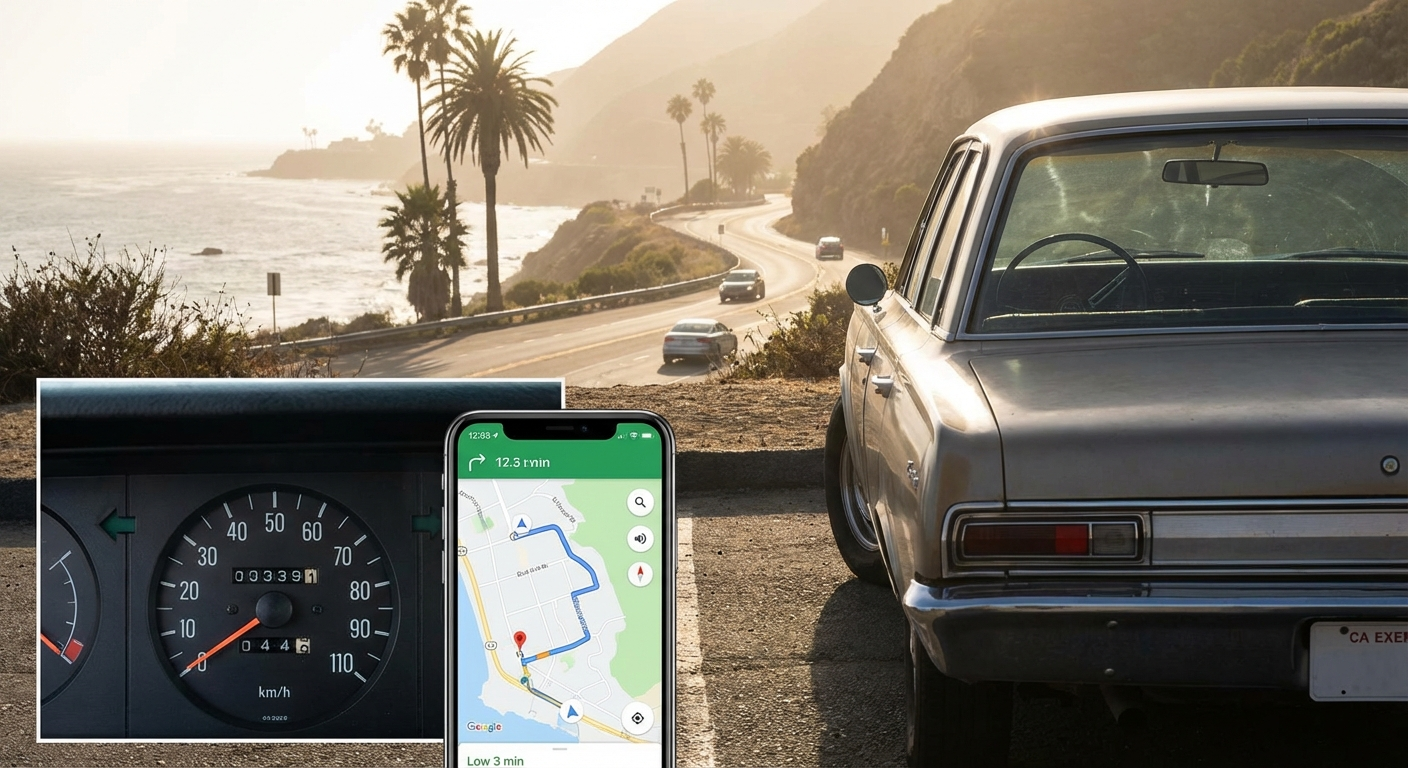
The Old Way: Odometer Readings
This is the simplest method. When you apply for a policy or renew it, your insurer might ask you for an odometer reading. Sometimes, they’ll want a photo of it. You’re essentially reporting your annual mileage estimate. If you tell them you drive 6,000 miles a year, and that estimate falls within their low mileage threshold, you could see a discount. Easy enough, right?
The New Way: Telematics and Apps
Here’s where it gets interesting. Many modern insurers now offer programs that use telematics devices — often a small gadget you plug into your car’s diagnostic port — or even a smartphone app. These tools track your actual driving habits: how fast you accelerate, how hard you brake, what time of day you drive, and, yes, your exact mileage.
For some, the idea of a “black box” or an app watching their driving feels a little intrusive. It’s a valid concern. But wait — the upside is that these programs can often unlock much larger discounts than simply reporting your odometer reading. They’re not just confirming low mileage; they’re also seeing if you’re a generally safe driver. For many, the savings make that trade-off worth considering.
Who’s in the Low Mileage Club?
So, who qualifies for this elusive discount? Generally, insurers consider “low mileage” to be anything under a certain annual threshold. This usually hovers around 7,500 miles a year, but some companies might go as low as 5,000 or as high as 10,000. It really depends on the specific insurer and their program.
Common candidates include:
- Retirees: Just like Maria, once the daily commute ends, so does the bulk of their driving.
- Remote Workers: Many folks in Silicon Valley and beyond are still working from home, meaning less time on congested highways.
- Multi-Car Households: Maybe you have a primary car for daily errands and a second vehicle that only comes out on weekends. That second car could definitely qualify.
- Students: Especially those who live on campus and rarely drive their car.
- Public Transit Users: If you rely on BART in the Bay Area or the Metro in Los Angeles, your personal car might sit idle for long stretches.
Finding Your Discount: It Takes a Little Digging
You won’t always see a giant “LOW MILEAGE DISCOUNT HERE!” button on every insurance company’s website. Sometimes, it’s a matter of asking the right questions or working with someone who knows the ins and outs of different carriers.
Major players like State Farm, AAA, Farmers, Progressive, Geico, and Mercury often offer some form of mileage-based savings. But the specific terms, the percentage off, and how they verify your mileage can vary wildly from one to the next.
This is precisely where an independent insurance agent becomes invaluable. Someone like Karl Susman of California Car Insurance Pros, CA License #OB75129, has access to multiple carriers. He can look at your specific situation, your driving habits, and your mileage, and then shop around to find which company offers the best rate for *you* – including any low mileage perks. Give him a call at (877) 411-5200; it’s a smart first step.
The Fine Print and the Trade-offs
It’s important to understand a few things. First, your mileage isn’t set in stone. If your life changes – maybe you get a new job that requires a longer commute, or you decide to take that cross-country road trip – you’ll need to update your insurer. Your rate could change.
Then there’s the privacy aspect of telematics. Are you comfortable with an app or device tracking your driving? For some, the potential savings of 5% to 15% (or sometimes more) on their premium is well worth sharing that data. For others, not so much. It’s a personal choice.
Which brings up something most people miss. While a low mileage discount is great, it’s usually just one piece of the puzzle. It might not be the single biggest discount you qualify for, but it certainly helps chip away at those premiums.
Beyond the Odometer: Other Ways California Drivers Save
Even if a low mileage discount isn’t huge for you, or if you’re not comfortable with telematics, there are other strategies to lower your auto insurance costs in California. For example:
- Bundling Policies: Combining your auto insurance with home, renters, or even umbrella policies often leads to significant savings. Maria, for instance, already bundles her home and auto.
- Good Driver Discounts: California’s Prop 103 mandates discounts for drivers with clean records. Keep those tickets and accidents at bay!
- Defensive Driving Courses: Completing an approved defensive driving course can sometimes earn you a discount, especially if you’re over a certain age.
- Vehicle Safety Features: Cars with advanced safety features like anti-lock brakes, anti-theft systems, or automatic emergency braking can sometimes qualify for discounts.
- Higher Deductibles: Agreeing to pay more out-of-pocket if you have a claim will lower your premium. But be careful – make sure you can afford that higher deductible if an accident happens.
Maria, after talking to a seasoned pro like Karl Susman, discovered she absolutely qualified for a low mileage discount. It wasn’t a fortune, but it was enough to make her monthly budget feel a little less squeezed. She also learned about a few other small adjustments she could make to her policy that added up to even more savings.
Feeling like Maria? Wondering how much you could save? It costs nothing to find out. Get a personalized auto insurance quote today.
Common Questions About Low Mileage Discounts
How much can I really save with a low mileage discount?
Honestly, it varies a lot. You might see anywhere from a 5% to a 15% reduction on your premium. Some telematics programs, if you drive very little and very safely, could offer even more. It’s not always a massive amount, but it’s real money, especially when premiums are already high.
Do all insurance companies offer this type of discount?
Not always, and not always in an obvious way. Many major carriers do, but the specifics differ. Some bake it into their overall pricing algorithms, while others have explicit programs. That’s why talking to an independent agent who works with many insurers can be so helpful; they can pinpoint the companies that best reward low mileage drivers.
What if my driving habits change after I get the discount?
If your annual mileage significantly increases, you’ll need to inform your insurance company. Your rate could be adjusted. It’s always best to be transparent to avoid issues down the road, especially if you’re in a telematics program that tracks your actual miles.
Is a low mileage discount only for older cars or specific types of vehicles?
No, not at all. The discount is based on how much you drive, not the age or type of your vehicle. A brand-new electric car driven sparingly could qualify just as easily as an older sedan.
Are there privacy concerns I should consider with telematics programs?
Yes, absolutely. Telematics devices and apps collect data about your driving behavior. While this data is typically used to calculate your premium and offer discounts, some people are uncomfortable with the idea of their movements being tracked. It’s a personal decision about whether the potential savings outweigh your privacy concerns.
Whether you’re like Maria, enjoying the quiet life in Pasadena, or a remote worker in the Inland Empire, driving less can mean paying less. The only way to know for sure is to ask. Why not take a moment to explore your options?
Click here to get your custom auto insurance quote now.
This article is for informational purposes only and does not constitute financial advice.