That Jolt on the 405: Understanding Personal Injury Protection in California
Maria still remembers the feeling, a sudden lurch on the I-5 near the 55 freeway in Orange County. She and David were heading home with their two kids after a particularly intense youth soccer game in Irvine. They’d just cleared the off-ramp, stopped at a light, when a distracted driver — probably checking a text, David grumbled later — slammed into their rear bumper. Not a huge crash, but enough to send a sharp jolt up Maria’s neck. The kids were shaken, but thankfully unhurt. David was fine, too. But Maria? Her neck began to throb.
This kind of everyday incident happens across California, from the busy streets of the San Fernando Valley to the winding roads of Ventura County. And when it does, the first thought for most people isn’t about the car’s bumper. It’s about their bodies. Who pays for the doctor? What if Maria needs physical therapy? What if she misses a few days of work? This is where the idea of “Personal Injury Protection” — or what California offers instead — becomes incredibly important, and sometimes, a little confusing.
Is “PIP” Even a Thing in California?
Here’s where it gets interesting. If you’ve ever lived in a “no-fault” state like Florida or New York, you might be familiar with Personal Injury Protection, or PIP. In those states, your own insurance policy generally pays for your medical bills and lost wages after an accident, no matter who caused it. It’s meant to get you help quickly without waiting for fault to be decided.
But California? We operate under an “at-fault” system. That means the driver who caused the accident is generally responsible for paying for the damages and injuries of the other parties involved. Because of this, true PIP, as it exists in those no-fault states, isn’t actually offered on California auto insurance policies. No, you won’t find a line item for “PIP” when you get a quote from State Farm, AAA, or Farmers here.
But wait — that doesn’t mean you’re left completely unprotected for your own injuries. Not at all. California has its own ways to help with medical costs and other expenses, and understanding them is key to protecting yourself and your family, just like Maria and David needed to know.

Your First Line of Defense: Medical Payments Coverage (MedPay)
Think of Medical Payments coverage, or MedPay, as your personal injury first-aid kit for your auto policy. It’s an optional coverage you can add, and honestly, for most drivers, it’s a smart idea.
How does it work? Simple. If you, Maria, David, or their kids were injured in that soccer game fender-bender, MedPay would kick in to cover reasonable and necessary medical expenses. This includes things like ambulance rides, emergency room visits, doctor appointments, X-rays, and even physical therapy. The big difference from a true PIP policy? MedPay doesn’t pay for lost wages. It’s solely focused on medical bills.
Here’s a key benefit: MedPay pays regardless of who was at fault for the accident. So, even if Maria had been the one to accidentally tap someone (it happens!), her MedPay would still cover her immediate medical needs. It’s also usually a “first dollar” coverage, meaning it often pays before your health insurance kicks in, or it can cover your health insurance deductible and co-pays. This can be a huge relief when you’re dealing with the immediate aftermath of an accident.
Most policies offer limits ranging from $1,000 to $10,000, sometimes even higher. A $5,000 MedPay policy might sound small given today’s medical costs, but it can quickly cover that ER visit and a few follow-up appointments, giving you breathing room while the rest of the accident claim sorts itself out.
The Unseen Threat: Uninsured/Underinsured Motorist Coverage (UMBI/UIMBI)
This brings up something most people miss. MedPay is great for immediate medical bills, regardless of fault. But what if the accident wasn’t your fault, and the other driver has no insurance at all? Or maybe they only carry California’s minimum liability limits — which, at $15,000 per person/$30,000 per accident for bodily injury, don’t go very far if you’re looking at a serious injury or surgery.
Sadly, California has a significant number of uninsured drivers. Some estimates put it around 15% of all drivers on the road. Drive on the 101 through Hollywood or the 91 in the Inland Empire long enough, and you’ll probably encounter one. If Maria’s neck injury had been more severe, requiring surgery, that $15,000 minimum from the at-fault driver’s policy wouldn’t even cover the hospital bill, let alone her pain and suffering, or any lost income.
That’s where Uninsured Motorist Bodily Injury (UMBI) and Underinsured Motorist Bodily Injury (UIMBI) come into play. This coverage protects you and your passengers if an uninsured or underinsured driver causes an accident and injures you. It’s designed to step in and pay what the at-fault driver *should* have paid if they had adequate insurance. This includes medical bills, lost wages, and even pain and suffering.
For Maria and David, having robust UMBI/UIMBI is like having an insurance policy for other people’s bad decisions. It means if that texting driver had no insurance, Maria’s own policy would become the safety net for her injuries and the associated costs that MedPay doesn’t cover, like lost time at her job. Karl Susman, from California Car Insurance Pros, often tells clients, “In California, UMBI/UIMBI isn’t just an option; it’s practically a necessity. You can’t control who else is on the road, but you can control your protection.”
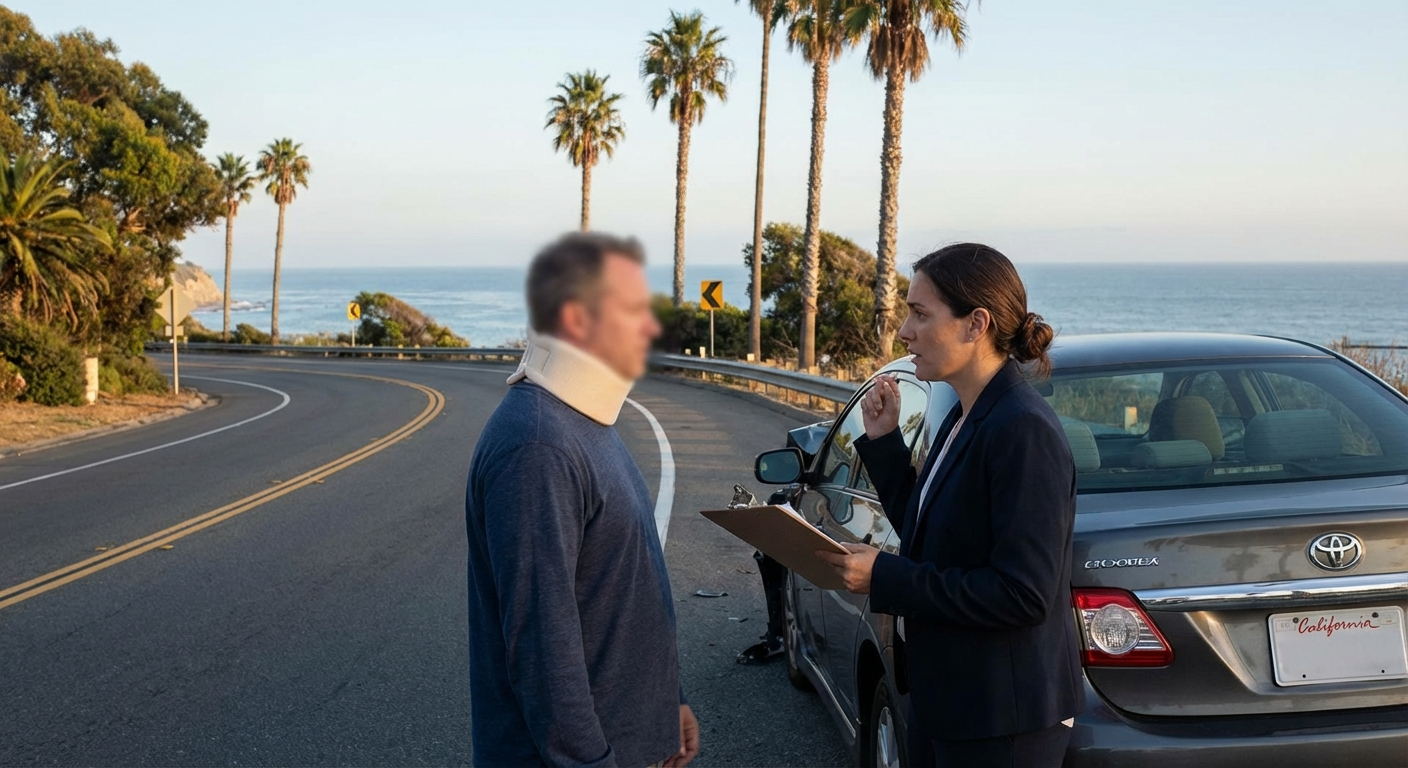
Lost Wages and Long-Term Care: A California Perspective
One of the big features of true PIP in other states is coverage for lost wages. If Maria had a job where she couldn’t work for a few weeks because of her neck pain, a traditional PIP policy would help replace some of that income. In California’s at-fault system, the primary way to recover lost wages is through the at-fault driver’s Bodily Injury Liability coverage. If they have enough, their insurance company would pay Maria for her lost income.
But what if they don’t? Or what if they’re uninsured? This is precisely where your UMBI coverage becomes critical. It steps in to cover those lost wages, essentially acting as if the at-fault driver *did* have sufficient insurance. It’s not quite as immediate as a no-fault PIP claim might be, since fault and damages still need to be established, but it’s the California solution.
For anything beyond immediate medical bills and a relatively quick recovery, you’re looking at a more involved claims process, potentially involving attorneys if injuries are severe. That’s why high liability limits for *your* policy are so important — you want to be able to cover someone else’s substantial injuries if *you’re* at fault. And equally, you want high UMBI/UIMBI limits to protect *yourself* from others.
Making the Right Choices for Your California Auto Policy
Choosing the right auto insurance in California isn’t just about getting the lowest price. It’s about getting the right protection for your specific situation. Consider your health insurance deductible. If it’s high, MedPay becomes even more valuable. Think about your daily commute — do you spend a lot of time on crowded freeways or in busy urban centers like downtown LA or San Diego? The more you drive, the higher your exposure to risk.
Honestly, the world of insurance, especially when state laws differ so much, can feel like navigating a maze. It’s why speaking with an experienced agent who understands California’s unique rules is so beneficial. They can help you understand the nuances, explain how these coverages interact, and ensure you’re not left vulnerable after an accident.
If Maria and David’s story resonates with you, or if you’re just looking to review your current policy, don’t guess. Talk to someone who knows the ins and outs of California auto insurance. Karl Susman and his team at California Car Insurance Pros have been helping Californians make these smart choices for years. They can walk you through your options for MedPay and Uninsured Motorist coverage, ensuring you have the protection you need for those unexpected moments on the road.
Ready to get some clarity on your California auto insurance? You can start by getting a personalized quote. Visit https://susmaninsurance.com/get-a-quote/ to begin.
Frequently Asked Questions About Personal Injury Coverage in California
1. If California doesn’t have true PIP, what should I ask for to cover my medical bills after an accident?
You should look for Medical Payments (MedPay) coverage. It’s an optional add-on that covers medical expenses for you and your passengers, regardless of who caused the accident. It helps with immediate costs like ER visits, doctor appointments, and physical therapy.
2. What if the driver who hits me has no insurance? Who pays for my injuries and lost wages then?
This is where Uninsured Motorist Bodily Injury (UMBI) coverage is absolutely essential in California. If an uninsured driver causes an accident and injures you, your UMBI coverage steps in to pay for your medical bills, lost wages, and even pain and suffering, up to your policy limits.
3. Does MedPay cover lost wages if I can’t work after an accident?
No, MedPay only covers medical expenses. It does not cover lost wages. If you are injured by an at-fault driver, lost wages would generally be covered by their bodily injury liability insurance, or by your own UMBI/UIMBI coverage if the at-fault driver is uninsured or underinsured.
4. How much MedPay and UMBI/UIMBI coverage should I get?
There’s no single “right” answer, as it depends on your individual circumstances. Consider your health insurance deductible, your financial stability, and how much you drive. Many experts suggest carrying UMBI/UIMBI limits that match your own bodily injury liability limits, as a good starting point. For MedPay, even a few thousand dollars can make a big difference for initial expenses. It’s always best to discuss your specific needs with a licensed insurance professional.
5. Why is California an “at-fault” state, and what does that mean for personal injury claims?
Being an “at-fault” state means that the driver who is determined to have caused an accident is legally responsible for the damages and injuries sustained by others. This often means their bodily injury liability insurance pays for the other party’s medical bills, lost wages, and pain and suffering. This system can sometimes lead to a longer claims process compared to “no-fault” states, as fault needs to be established.
Understanding your options in California can save you a lot of heartache and financial stress down the road. Don’t leave your protection to chance. For personalized advice on your California auto insurance and to ensure you have the right coverage for your specific needs, reach out to Karl Susman at California Car Insurance Pros. You can call them directly at (877) 411-5200 or visit their website to get a quote: https://susmaninsurance.com/get-a-quote/. California Car Insurance Pros, CA License #OB75129, is ready to help.
This article is for informational purposes only and does not constitute financial advice.