Is Your “Personal” Car Really Personal Anymore? The California Commercial Use Question
You hop in your car, maybe fire up a rideshare app, or grab a few packages for delivery. Perhaps you’re a real estate agent heading to an open house in Ventura County, or a contractor driving your tools across the Inland Empire. For most Californians, our cars are a big part of our daily lives, and often, a big part of how we make a living.
But here’s the thing: that car insurance policy you’ve had for years? The one you think covers you for everything? It might not. Not always, anyway. If you’re using your personal vehicle for anything that resembles a business activity, even part-time, you could be driving without the right protection. Big difference.
Many folks don’t even realize they’ve crossed the line from personal use to commercial. It’s not just about owning a fleet of delivery trucks. A single sedan, used for client visits or ferrying passengers, can unexpectedly fall into this commercial category. And that can lead to some serious headaches if there’s an accident.
The Big Difference: Personal vs. Commercial Policies
Think of it this way: your personal auto policy is designed for things like your daily commute to work, picking up groceries, or taking the kids to soccer practice. It covers you for those typical, everyday risks. The premiums are calculated based on that kind of casual driving, mostly for personal reasons.
Commercial policies, on the other hand, are built for business. They understand that when you’re driving for work, you’re often on the road more, carrying different types of cargo (even if it’s just a laptop or a stack of brochures), and potentially dealing with different liabilities. If you’re delivering goods, for instance, there’s the risk of damaging those goods. If you’re transporting clients, your liability to them is different than to a friend you’re giving a ride to.
Insurers see this difference clearly. More driving, different risks. That means a personal policy, even a good one from a big name like AAA or State Farm, often has exclusions for commercial activities. They’ll tell you straight up: if you’re using your car for business, you need a different kind of coverage.
What Kinds of Commercial Use Are We Talking About?
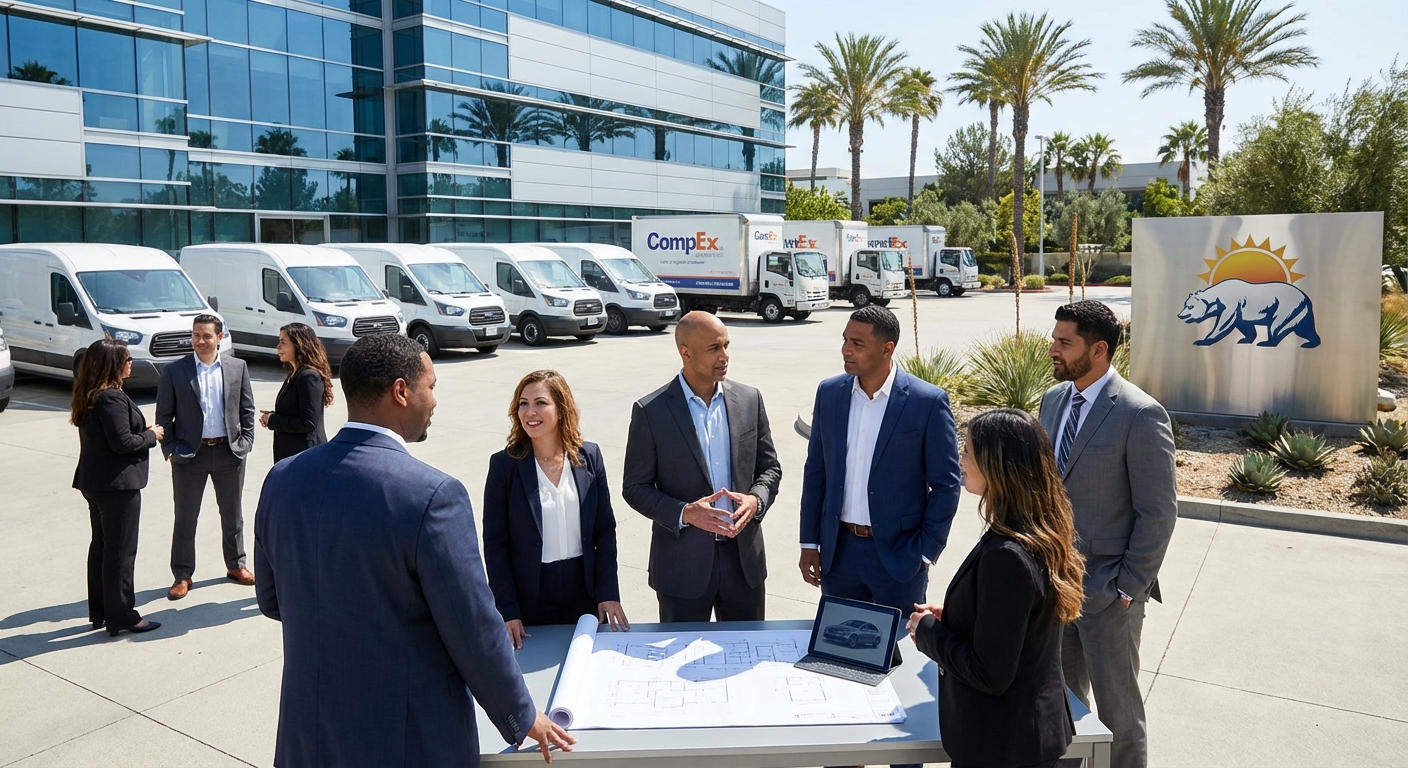
It’s a wider net than you might think. We’re not just talking about big rigs or construction vehicles. Your everyday car can be considered a commercial vehicle in California if you’re using it for:
- Ridesharing: Driving for services like Uber or Lyft.
- Food or Package Delivery: DoorDash, Instacart, Grubhub, Amazon Flex, even delivering pizzas for a local spot.
- Client Visits: If you’re a salesperson, real estate agent, consultant, or any professional regularly driving to meet clients or visit job sites.
- Hauling Equipment or Products: Contractors carrying tools, artisans delivering their creations, caterers transporting food.
- Operating a Business from Your Vehicle: Mobile dog groomers, detailers, or any service where your car is essentially your mobile office.
Even if you only do these things part-time, or “just on the weekends,” it still counts as commercial use in the eyes of an insurance company. That’s a mistake many drivers make, assuming their personal policy stretches to cover these side hustles.
The Scary Reality: When Your Personal Policy Says “No”
Imagine this scenario: you’re making a delivery in your sedan, maybe a few boxes of supplies, and you get into an accident on a busy street in the Valley. It’s not your fault, but the other driver is injured, and their car is totaled. You call your personal insurance company, Farmers or perhaps GEICO, expecting them to handle it. Then comes the dreaded question: “What were you doing at the time of the accident?”
You explain you were delivering for a local business. The next thing you know, your claim is denied. They say your personal policy doesn’t cover commercial use. Suddenly, you’re looking at potentially hundreds of thousands of dollars in medical bills, property damage, and legal fees. All out of your own pocket. Your business, your savings, your future – all on the line.
And that’s not the whole story. An insurer can even cancel your policy retroactively if they find out you misrepresented how you were using your vehicle. That means it’s like you never had coverage at all. The financial implications can be devastating for anyone, let alone a small business owner trying to make ends meet in California.
California’s Unique Challenges and Rules
Living and working in California has its perks, but it also comes with specific challenges, especially when it comes to insurance. Our roads are busy, our traffic can be legendary, and the cost of repairs and medical care here tends to be higher than in many other states. All these factors play into insurance premiums.
Premiums jumped 40% between 2022 and 2024 for many drivers in the state. Why? Things like inflation, the rising cost of parts, and an increase in severe accidents. Even though Prop 103 offers some consumer protections, it doesn’t mean you can skip out on telling your insurer the truth about how you use your vehicle.
Here’s where it gets interesting. While homeowners have seen significant changes with the FAIR Plan due to wildfire risks, the auto insurance market is also getting tighter. Insurers are very particular about risk, and commercial driving, by its nature, often presents more risk. This means they’re scrutinizing policies more closely. If you’re driving for a rideshare company, for instance, California has specific regulations that require those companies to carry certain levels of insurance, but there are still “gaps” you might need to cover yourself.
What About Rideshare Endorsements?
Good news for rideshare drivers: many personal lines insurers in California now offer what’s called a “rideshare endorsement” or “hybrid policy.” This isn’t a full commercial policy, but it’s designed to bridge the gap between your personal coverage and the insurance provided by companies like Uber or Lyft.
These endorsements typically cover you during “Period 1” – that time when you’ve logged into the app and are waiting for a ride request. That’s a crucial time when the rideshare company’s insurance might not fully kick in yet. Without this endorsement, your personal policy would likely deny a claim during that waiting period. But wait — delivery apps are often a different story. Many personal policies still exclude delivery for payment, even with a rideshare endorsement. It’s a tricky area, and it’s why you really need to understand what you’re buying.
How to Get It Right: Talking to an Expert
Honestly, the best way to avoid a devastating surprise is to be completely open with your insurance agent. Tell them exactly how you use your vehicle for work, even if it’s just occasionally. Don’t guess. Don’t assume. A good agent will listen to your specific situation and help you find the right coverage.
They might recommend a personal policy with a commercial endorsement, a hybrid policy, or a full-blown commercial auto policy. It all depends on how much you drive for work, what you’re doing, and what kind of risks you’re taking on. Someone like Karl Susman at California Car Insurance Pros, CA License #OB75129, understands the ins and outs of the California market and can help you make sense of it all. He’s seen countless situations and knows what questions to ask to get you properly covered.
Getting the right policy isn’t just about following the rules; it’s about protecting your livelihood and your personal assets. You don’t want to find out you’re underinsured after an accident. Take a moment to get a quote and discuss your unique needs.
What a Commercial Auto Policy Might Cover
When you step up to a commercial auto policy, you’re generally getting much broader protection. These policies are built to handle the higher risks associated with business operations. You’ll typically find:
- Higher Liability Limits: Often significantly more than a personal policy, covering bodily injury and property damage you might cause. This is super important if you’re ever sued.
- Collision and Comprehensive: Just like personal policies, these cover damage to your own vehicle from accidents, theft, vandalism, or natural disasters.
- Uninsured/Underinsured Motorist: Protects you if another driver, who doesn’t have enough or any insurance, causes an accident.
- Medical Payments/Personal Injury Protection (PIP): Covers medical expenses for you and your passengers, regardless of who’s at fault.
- Specific Business Coverages: This is where commercial policies really shine. You might get coverage for cargo you’re transporting, specialized equipment or tools in your vehicle, or even “non-owned auto liability” if your employees occasionally use their personal cars for your business.
Yes, a commercial policy will likely cost more than your personal one. That’s a given. But the peace of mind, knowing you’re fully protected when you’re out there earning a living, is absolutely priceless. One major accident could easily cost you more than years of higher premiums.
What Drives the Cost of Commercial Auto Insurance?
Several factors influence how much you’ll pay for commercial auto insurance in California:
- Vehicle Type: A heavy-duty work truck or a van used for deliveries will usually cost more to insure than a small sedan.
- How Often It’s Used Commercially: Full-time business use will naturally carry a higher premium than occasional side-gig driving.
- What You’re Hauling: Transporting hazardous materials or expensive equipment is riskier than carrying a few boxes of office supplies.
- Driver’s Record: Your driving history, and the history of any employees who drive the vehicle, makes a big difference.
- Location: Driving primarily in congested areas like downtown San Francisco or the busiest parts of Los Angeles will often mean higher rates than driving in a quieter rural community.
- Number of Vehicles and Drivers: A single vehicle policy for one driver is different from a fleet policy for multiple employees.
Don’t Risk Your Business and Your Future
It’s tempting to think you can save a few bucks by just sticking with your personal policy. We all look for ways to cut costs, especially with the rising expenses of living in California. But when it comes to insurance for your commercial use, that’s a gamble you really can’t afford to take.
One accident, one denied claim, could wipe out everything you’ve worked so hard to build. Your small business, your personal savings, your credit score — all could be jeopardized. Think about the long game here. Protecting yourself and your business with the right commercial auto insurance isn’t an expense; it’s an investment in your future.
Don’t wait until it’s too late to get the right coverage. Reach out today to discuss your options and ensure you’re fully protected on California’s roads.
Frequently Asked Questions About Commercial Auto Insurance in California
Is my personal car insurance enough if I just occasionally deliver food?
Probably not. Most personal auto policies specifically exclude coverage for food or package delivery for payment, even if it’s only occasional. If you have an accident while delivering, your personal insurer will likely deny the claim, leaving you responsible for all damages and injuries.
What if my business is tiny and I only use my car a little for work?
Even minimal business use can void your personal auto policy’s coverage during a claim. The size of your business doesn’t change the insurer’s definition of “commercial use.” It’s always best to be transparent with your agent to ensure you have appropriate coverage, whether it’s an endorsement or a specific commercial policy.
Does my rideshare company’s insurance cover me fully?
Rideshare companies like Uber and Lyft do provide some insurance coverage, but it’s often tiered. There can be gaps, especially when you’re logged into the app and waiting for a ride request (Period 1). A rideshare endorsement on your personal policy can help bridge these gaps, offering continuous coverage.
Can I get a commercial policy just for one car?
Absolutely. Many small business owners in California only have one vehicle they use for work. You can get a commercial auto policy specifically for that single vehicle to cover its business use and associated risks.
Will my personal driving record affect my commercial auto insurance?
Yes, your personal driving record is a significant factor in determining your commercial auto insurance premiums, just as it is for personal insurance. A clean driving history can help keep your rates lower, while accidents or violations can increase them.
This article is for informational purposes only and does not constitute financial advice.