Your Personal Car Insurance Won’t Cut It for Business in California
Let’s talk about something most folks don’t think about until it’s too late: using your car for work in California. Maybe you’re a contractor, hustling between job sites in the Inland Empire. Perhaps you’re delivering groceries in Ventura County or picking up rideshare passengers across Los Angeles. You’ve got your personal auto insurance policy, right? It covers your daily commute, trips to the beach, maybe even that yearly drive up to Lake Tahoe. Seems like enough.
But here’s the thing. That personal policy? It almost certainly has a big, fat exclusion for commercial use. A lot of people find this out the hard way, after an accident, when their insurance company says, “Sorry, that wasn’t covered.” It’s a gut punch, and it can leave you on the hook for tens, even hundreds of thousands of dollars. The short answer is yes, you need different coverage. The real answer is more complicated, and it’s worth understanding why.
Why Your Personal Policy Won’t Protect Your Business
Think about it from an insurance company’s perspective. When you use your car for personal errands, the risks are pretty standard. You’re driving to work, picking up kids, maybe running to Trader Joe’s. But when you start using that same car to make money – carrying tools, delivering products, transporting clients – the risks change dramatically.
You’re probably on the road more often. You might be driving during peak traffic hours, or in unfamiliar areas. Maybe you’re rushing to get to the next appointment. All of these factors increase the chance of an accident. And if you’re carrying equipment or goods, the potential for a larger claim – property damage, lost inventory – shoots up. Your personal policy just isn’t built to absorb those kinds of risks. It’s like trying to put out a bonfire with a garden hose; it just won’t do the job.
What Counts as “Commercial Use” Anyway?
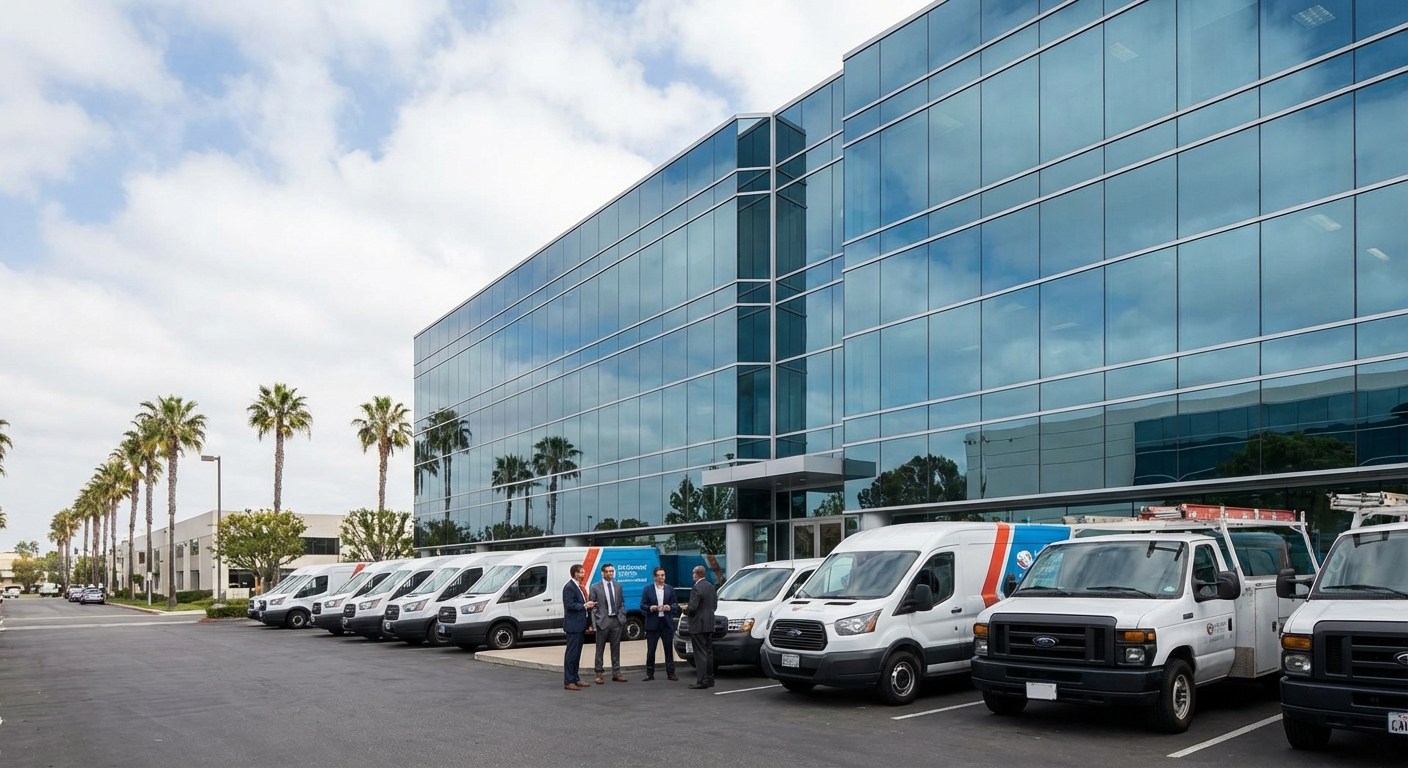
This is where things can get a little fuzzy for some people. It’s not just about owning a big rig or a company van. Even your personal sedan can fall under “commercial use” in the eyes of an insurer.
Rideshare and Delivery Drivers
You’re driving for Uber, Lyft, DoorDash, Grubhub, Instacart, whatever it is. Many of these companies offer some insurance coverage while you’re actively on a trip or carrying a passenger/delivery. But wait — there are often gaps. What about when you’re logged into the app, but haven’t accepted a trip yet? That “period one” can be a real problem spot, a place where neither your personal policy nor the app’s coverage truly protects you. Some insurers offer rideshare endorsements or add-ons to personal policies that can help bridge these gaps, but not all do, and not all coverages are equal. You’ve got to be sure.
Contractors and Tradespeople
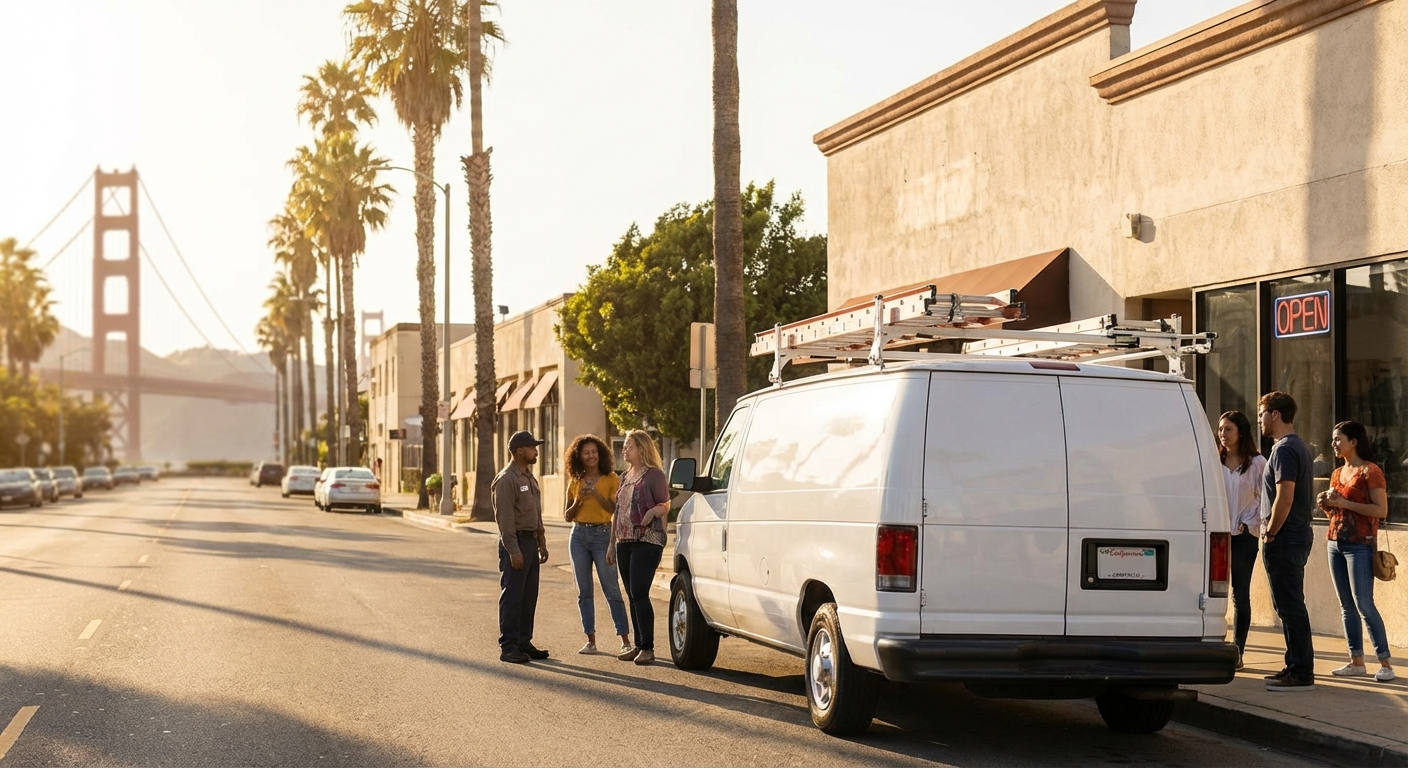
Are you a plumber in Sacramento, an electrician in San Diego, or a landscaper in Orange County? If you drive your truck or van to different job sites, hauling tools, materials, or even just yourself to meet clients, you’re using that vehicle commercially. If you have employees driving your vehicles, that’s another layer of complexity that absolutely screams “commercial policy.” Imagine your work van, loaded with thousands of dollars of equipment, gets into a fender bender on the 405. Your personal policy won’t care about the smashed tools, let alone the liability from the accident.
Sales Professionals and Real Estate Agents
Driving around showing homes, meeting clients for coffee, making sales calls all day long – that’s business mileage. Even if it’s your personal car, and you’re just carrying a briefcase, the purpose of your driving is directly tied to earning income. That’s a red flag for personal insurers.
Any Vehicle Used for Compensation
Honestly, if you’re getting paid to drive, or if your vehicle is essential to your business operations, you probably need a commercial policy. It doesn’t matter if it’s a souped-up taco truck or a modest sedan delivering flowers. The moment money changes hands because of that vehicle’s use, the rules shift.
The Big Headache: What Happens Without Commercial Coverage?
Let’s imagine the worst-case scenario. You’re a freelance photographer, driving your SUV full of expensive gear to a wedding in Malibu. You’ve got a personal auto policy. On the way, you cause an accident. Someone’s injured, their car is totaled, and your pricey camera equipment is now scrap metal.
Your personal insurance company investigates. They find out you were on your way to a paid gig. They deny the claim. Now what?
* No Payout for Damages: You’re personally responsible for fixing your car, replacing your gear, and paying for the other driver’s car and medical bills. That could be hundreds of thousands of dollars.
* Lawsuits: The injured party and their insurer will come after you directly. You could lose your savings, your home, everything you’ve worked for.
* Business Interruption: Without your vehicle or equipment, how do you keep your business running? You can’t.
* Policy Cancellation: Your insurer might even cancel your personal policy for misrepresentation. That makes it harder and more expensive to get coverage later.
It’s a scary thought, but it’s a real risk many California small business owners unknowingly take.
Understanding Commercial Auto Insurance in California
So, what exactly does a commercial auto policy do differently? It’s designed to cover those higher risks and offer more robust protection.
Key Coverages You’ll Find
* Commercial Auto Liability: This is the big one. It pays for injuries and property damage you cause to others while operating your business vehicle. Commercial policies usually have much higher liability limits than personal ones, because the potential for large claims is greater. Think about a delivery truck hitting a building – that’s a lot more than a car bumper.
* Physical Damage Coverage: This includes collision (pays to repair or replace your vehicle after an accident) and comprehensive (covers theft, vandalism, fire, natural disasters).
* Uninsured/Underinsured Motorist: Protects you if someone without enough insurance hits your business vehicle.
* Medical Payments/Personal Injury Protection (PIP): Covers medical expenses for you and your passengers, regardless of who’s at fault.
* Cargo Coverage: This is a big one for many businesses. It protects the goods or equipment you’re transporting in your vehicle. If your expensive tools get stolen from your work van, this could cover it.
* Non-Owned Auto Liability: This is for when your employees use their *personal* cars for *your* business. If they get into an accident, your business could still be held liable, and this coverage steps in.
What Drives Your Commercial Auto Premiums in CA?
California’s insurance market has been a bit wild lately. Premiums jumped 40% between 2022 and 2024 for many personal policies, and commercial isn’t immune. Insurers like State Farm, AAA, and Farmers have tightened their belts, or even pulled back from certain lines of business here. This makes finding the right policy even more important.
Several factors will determine your commercial auto rates:
* Your Business Type: A landscaping company hauling heavy equipment will pay differently than a consulting firm where drivers mostly use sedans.
* Vehicle Type and Weight: A heavy-duty truck costs more to insure than a small delivery car.
* Number of Vehicles and Drivers: Fleets generally have different pricing structures.
* Driving Records: Just like personal insurance, clean driving records for all employees mean lower rates. Accidents and tickets push premiums up.
* Coverage Limits: Higher liability limits mean higher premiums, but they also mean more protection for your business.
* Location: Operating in a high-traffic, high-crime area like downtown San Francisco might mean higher rates than a quieter rural area.
* Claims History: A business with a history of frequent claims will likely pay more.
Finding the Right Fit with a California Insurance Pro
This isn’t a “one-size-fits-all” situation. Your specific business needs a policy tailored just for it. Trying to figure out all the nuances, the exclusions, and the specific California regulations on your own? That’s a headache most business owners don’t have time for.
That’s where an independent insurance agent really shines. Someone like Karl Susman at California Car Insurance Pros (CA License #OB75129) knows the California market inside and out. He doesn’t work for just one insurance company; he works for *you*. He can shop around with multiple carriers, compare different policies, and explain the fine print in plain English. He understands the unique challenges of doing business in places like the Valley or along the coast, and he can help you understand what Prop 103 means for your rates.
Don’t guess when it comes to protecting your livelihood. A quick conversation can save you a world of trouble later on.
Ready to get a quote and talk through your options? Visit californiacarinsurancepros.com/get-a-quote/ to connect with Karl and his team.
They can help you understand the specific coverages you need, whether you’re a single-owner operation or managing a small fleet.
Frequently Asked Questions About Commercial Auto Insurance
What if I only use my car for business occasionally?
Honestly, even occasional commercial use can void your personal policy in an accident. If you’re getting paid for it, even once a month, it’s safer to have the right coverage. Better safe than sorry, right?
Is commercial auto insurance much more expensive than personal?
Typically, yes, commercial policies tend to cost more because they cover higher risks and often higher liability limits. But the cost of not having it – facing a massive lawsuit or replacing your vehicle and equipment out of pocket – is almost always far greater. Think of it as an investment in your business’s stability.
Can I just add an “endorsement” to my personal policy for business use?
Some personal policies offer specific endorsements, like for rideshare drivers. These can help cover certain gaps. However, they don’t always provide the same level of protection as a dedicated commercial policy, especially if you’re hauling goods or equipment. It really depends on the specific endorsement and your type of business. That’s why talking to an expert like Karl Susman is so important.
What if my employees drive their own cars for my business?
This is a big one. You might think their personal insurance covers it, but if they’re doing work for your company, your business could still be held liable in an accident. That’s where “non-owned auto liability” coverage on your commercial policy comes in. It’s a lifesaver.
How can I get a quote for commercial auto insurance?
The easiest way is to chat with an independent agent who specializes in commercial insurance, like Karl Susman. They can compare options from various carriers to find the best fit for your specific business. You can start that process right now.
Don’t leave your business exposed. Get the right coverage for your commercial vehicles in California. Visit californiacarinsurancepros.com/get-a-quote/ or call Karl Susman, California Car Insurance Pros at (877) 411-5200. CA License #OB75129.
This article is for informational purposes only and does not constitute financial advice.