What Even is “Diminished Value,” Anyway?
Many folks think if their car gets crunched in a crash, and then perfectly repaired, it’s back to its old self. Same value, same appeal. Makes sense, right? You pay for the repairs, the dents are gone, the paint matches. What’s the problem?
But here’s the thing. That idea? It’s a myth. A big one, especially in the world of car sales.
Imagine you’re buying a used car. You find two identical models: same year, same mileage, same trim, same color. One has a clean title, never been in an accident. The other? It was in a pretty bad wreck last year, but the owner swears it was fixed perfectly. Which one would you pay more for? Which one would you even *want* more?
You’d pick the clean one every time. That difference in what you’d pay for the repaired car, even if it’s mechanically flawless and looks brand new, is what we call “diminished value.” It’s the inherent loss in market value simply because the car has an accident history. It’s on its CarFax report, plain as day. Whether you’re driving a Honda Civic in the Valley or a luxury SUV cruising through Malibu, an accident history sticks to a car like gum to a shoe.
Can I Really Claim It on My California Policy? The Big Question.
This is where things get really confusing for most drivers. A lot of people assume, “My car was hit, my insurance company will make me whole, so they’ll pay for this diminished value thing.” It’s a reasonable assumption. You pay your premiums, after all.
The truth is a little more complicated. In California, if you’re looking to claim diminished value, you’re almost certainly going to be going after the *at-fault driver’s* insurance company. That’s right. It’s a third-party claim, not a first-party claim against your own policy.
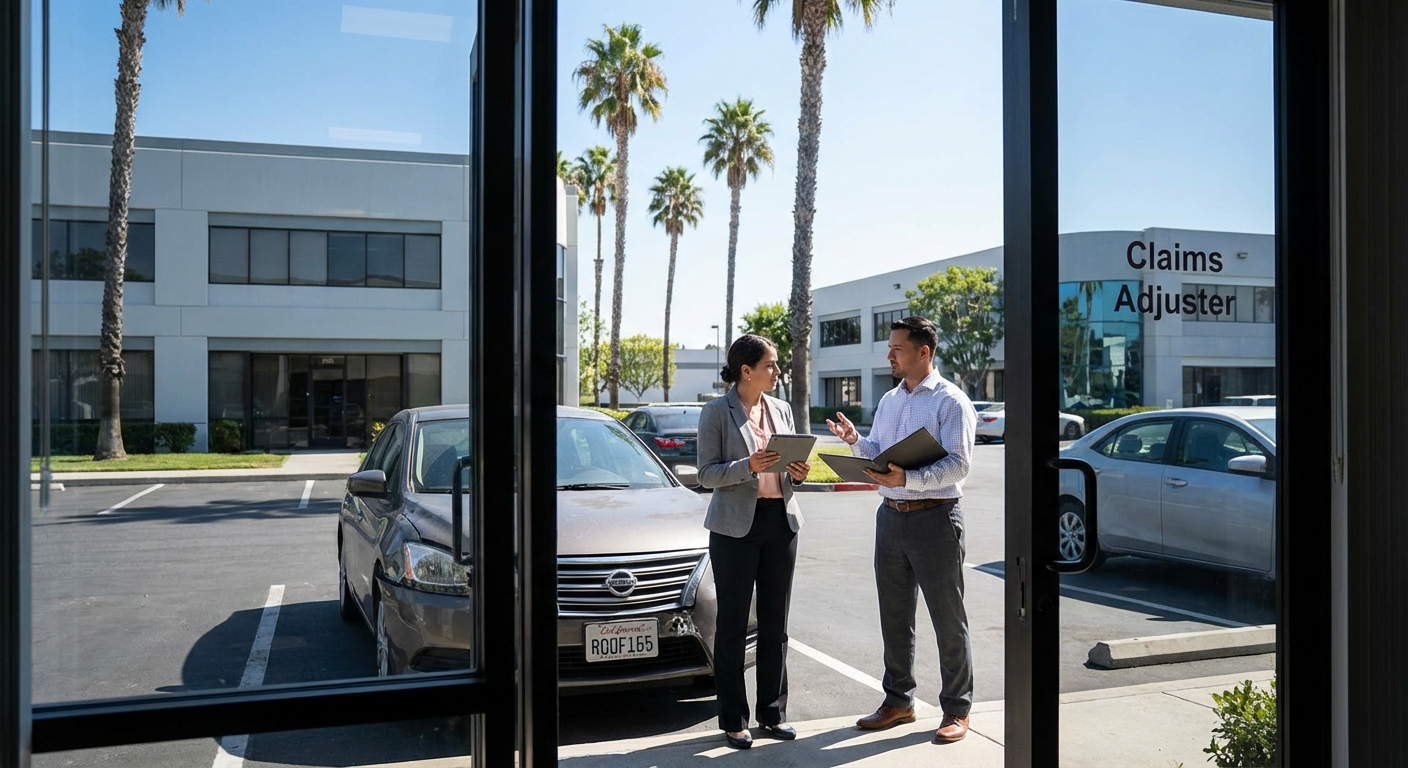
Why Your Own Insurer Says “No Thanks” (Usually)
Think about your collision and comprehensive coverage. These parts of your policy are designed to fix your car, or replace it if it’s totaled. They cover the physical damage. They don’t typically cover the *stigma* of an accident.
Your insurer’s obligation is generally to restore your vehicle to its pre-accident *physical condition*. They’ll pay for the parts, the labor, the paint. They’ll make sure it runs right and looks right. But they won’t cut you a check because someone else might pay less for it later. That’s just not how those policies are written here in California. It might feel unfair, but that’s the standard practice.
Proving Diminished Value: Not as Easy as a Fender Bender.
Okay, so you’re going after the other driver’s insurance. Great. You just tell them your car is worth less, and they’ll send you a check, right?
Not a chance. That’s another big myth. You can’t just call up State Farm or AAA or Farmers and say, “My car’s worth less now, pay me.” They’ll probably politely decline, or offer you a number that feels insultingly low.
To get any traction on a diminished value claim, you need evidence. A lot of it. We’re talking about proving a financial loss, not just feeling like one. You’ll need solid documentation to back up your claim. This means:
* **Detailed repair records:** Every single part replaced, every hour of labor, every paint code.
* **Photos of the damage:** Before and after.
* **An independent diminished value appraisal:** This is often the real heavy hitter.
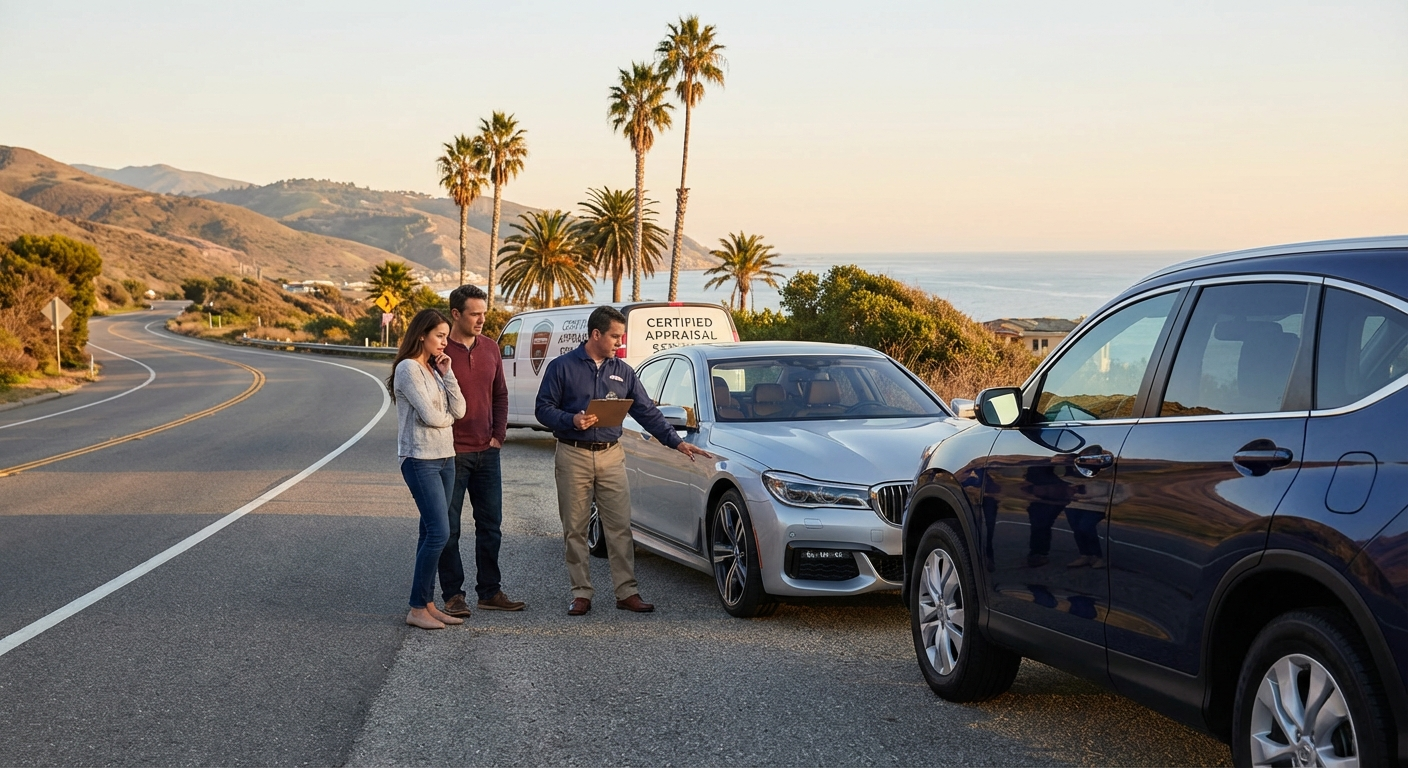
Getting an Appraisal That Sticks
An independent appraiser is someone who specializes in calculating diminished value. They’re not working for an insurance company; they’re working for you. They’ll look at your car’s make, model, year, mileage, pre-accident condition, the extent of the damage, the quality of the repairs, and then compare it to market data for similar vehicles – both with and without accident histories.
These appraisals aren’t free. They can run a few hundred dollars, sometimes more. Is it worth it? For a minor fender bender on an old clunker, probably not. For a newer, high-value vehicle, say a Tesla in Orange County or a nearly-new Porsche in San Jose, that appraisal could be the key to recovering thousands. It’s a calculated risk, a cost-benefit analysis you’ll need to make.
Who’s on the Hook? It’s About Fault, Not Just Damage.
Many drivers think, “I was hit, so I automatically deserve diminished value.” And that’s true, in a way. You do deserve it. But the ability to collect it hinges entirely on who caused the accident.
You can only pursue a diminished value claim against the insurance company of the driver *at fault* for the accident. If you were 100% at fault, or if there was no other driver involved—say, you swerved to avoid a deer near Lake Tahoe and hit a tree—then there’s no third-party insurer to go after. Your own policy won’t cover it, as we discussed.
What if both drivers share some blame? This is where California’s “pure comparative negligence” rule comes in. If you’re found 20% at fault, for instance, you can only recover 80% of your damages, including diminished value, from the other driver’s insurer. It gets complicated fast. This is why having an experienced agent on your side, like Karl Susman at California Car Insurance Pros (CA License #OB75129), can make a real difference, helping you understand the nuances of your own policy and how it interacts with these third-party claims.
The Insurer’s Playbook: Why They Resist Diminished Value Claims.
Let’s be blunt: Insurance companies are businesses. They want to pay out as little as possible. Diminished value claims are often seen as “soft” damages – harder to quantify than a repair bill. That makes them a prime target for resistance.
They’ll often start by denying the claim outright. Or they might offer a ridiculously low amount, hoping you’ll just accept it and go away. Adjusters are trained to negotiate, and they’re good at it. They know most people don’t understand diminished value, don’t have an appraisal, and just want the whole ordeal to be over.
You need to understand this dynamic. It’s not personal; it’s just how they operate. Being prepared for a fight, armed with your evidence, is the only way to get a fair shake.
Here’s where it gets interesting. Even with an appraisal, they might still argue. They might say your appraiser’s methodology is flawed. They might cite the “17c formula” – a calculation often used by adjusters internally, but not legally binding – to justify a lower offer. Don’t let them push you around.
How Much Can You Really Get? It’s Not a Windfall.
Many people dream of a big payout when they hear “diminished value.” They imagine thousands and thousands of dollars, making up for all their hassle.
The real answer is more complicated. It’s not a windfall. The amount you can recover depends heavily on several factors:
* **The car’s value:** A brand-new BMW in San Francisco will suffer more diminished value than a 10-year-old Toyota Corolla in Fresno.
* **The extent of the damage:** A crumpled frame is worse than a scratched bumper.
* **The quality of repairs:** Sloppy work makes the diminished value even higher.
* **The market:** Hot car markets might absorb the hit better than slower ones.
For a newer, high-value car with significant damage, you might see a few thousand dollars. For an older, less expensive car, it might be a few hundred. Sometimes, after paying for an appraisal, the net gain isn’t huge. It’s a calculation you need to run.
What to Do If You Think You Have a Diminished Value Claim.
First, don’t just accept the insurance company’s initial offer for your repairs. Get your car fixed properly. Then, gather all your documents: repair bills, estimates, photos of the damage.
Next, consider getting that independent diminished value appraisal. This is your strongest piece of evidence. Once you have it, formally present your claim to the at-fault driver’s insurance company. Be prepared to negotiate. They will push back. They might deny.
If they refuse to offer a fair amount, you have options. For smaller claims, California’s small claims court can be a good avenue. You can represent yourself, and the maximum claim amount is currently $12,500. For larger claims, or if you feel completely overwhelmed, speaking to an attorney specializing in these types of claims might be your next step.
Understanding your options and having a clear picture of your own auto insurance is incredibly important. If you’re ever uncertain about your coverage or what your policy actually means for situations like these, it’s always smart to talk to an expert. Karl Susman and the team at California Car Insurance Pros are always ready to help California drivers understand their policies. Give them a call at (877) 411-5200.
Navigating insurance after an accident is already stressful enough. Don’t let the fear of complex claims keep you from exploring all your options.
Ready to make sure you’ve got the right coverage *before* something happens? It’s a quick process. Get a personalized quote for your California car insurance today: Get a Quote!
The Real Deal About Protecting Your Investment.
Ultimately, pursuing a diminished value claim isn’t just about getting a few extra bucks after an accident. It’s about protecting the investment you’ve made in your vehicle. Cars are expensive, especially here in California. From the rising costs of living in places like Ventura County to the general price of new vehicles, your car represents a significant chunk of your personal finances.
An accident, even a repaired one, impacts that investment. Knowing your rights, understanding the process, and being prepared to advocate for yourself can make a big difference in the long run. Don’t leave money on the table just because the system seems confusing.
You deserve fair treatment, and that includes fair compensation for the loss in your car’s market value. Make sure your insurance is tailored to your needs. If you’re looking to review your current policy or explore new options, don’t hesitate. You can start right now: Click here for a California car insurance quote!
Frequently Asked Questions About Diminished Value Claims
Does my collision coverage pay for diminished value?
Generally, no. Your collision coverage is designed to pay for the physical repairs to your vehicle after an accident, regardless of fault. It does not typically cover the loss in market value (diminished value) your car experiences due to having an accident history.
How long do I have to file a diminished value claim in California?
In California, the statute of limitations for property damage claims, which includes diminished value, is two years from the date of the accident. It’s always best to act as quickly as possible, though, while details are fresh and evidence is readily available.
What if the other driver doesn’t have insurance?
This is a tough spot. If the at-fault driver is uninsured, you can’t pursue a diminished value claim against their non-existent insurance policy. Your own uninsured motorist property damage (UMPD) coverage might pay for your car’s repairs, but it typically won’t cover diminished value. This is a big reason why having robust UMPD coverage is so important in California.
Should I get a lawyer for a diminished value claim?
For smaller diminished value claims, especially those under California’s small claims court limit, you might not need a lawyer. You can represent yourself. However, for larger claims, particularly if the insurance company is being difficult or if fault is disputed, consulting with an attorney who specializes in these types of cases could be a smart move. They can help you understand your legal standing and negotiate on your behalf.
This article is for informational purposes only and does not constitute financial advice.