What Even Is “Commercial Use” Anyway?
You’re driving your truck, your van, maybe even your trusty sedan, all across California. For many folks, that’s just getting around. But if you’re using that vehicle to make money, even part-time, you’ve likely stepped into the world of commercial auto insurance. And trust me, it’s a completely different ballgame than your personal policy.
Imagine you’re a handyman in Sacramento, heading to a client’s house with your tools rattling in the back. Or maybe you’re a real estate agent in Orange County, ferrying clients to open houses. Perhaps you’re a caterer in the Bay Area, delivering trays of appetizers for a big event. All these scenarios, and countless others, mean your vehicle isn’t just for grocery runs or weekend trips to Tahoe. It’s a tool for your business.
The short answer is yes, you probably need a commercial policy. The real answer is more complicated. Insurers draw a pretty firm line between personal driving and business driving because the risks are fundamentally different. When you’re driving for work, you’re often on the road more, sometimes carrying equipment, making deliveries, or transporting people. That simply adds more chances for something to go wrong.
The Big “Why”: Why Your Personal Policy Just Won’t Cut It
Let’s be honest: nobody wants to pay more for insurance than they have to. It’s a natural human instinct. But trying to squeeze commercial use under a personal auto policy in California is like trying to fit a square peg in a round hole. It just won’t work, and it can leave you exposed to financial ruin if an accident happens.
Your personal policy is designed for you, your family, and your personal errands. It has specific liability limits, often around $15,000 for injury per person and $30,000 per accident, and perhaps $5,000 for property damage. Those numbers might sound okay for a fender bender on the way to the beach. But what if you’re driving for work, accidentally cause a multi-car pileup on the 405, and someone is seriously injured? Or you smash into a fancy storefront in downtown San Diego? Those personal limits evaporate faster than fog on a sunny morning, leaving your personal assets — your house, your savings — vulnerable.
Here’s where it gets interesting. Most personal auto policies explicitly exclude coverage for accidents that happen while you’re using your vehicle for “business purposes” or “for hire.” You might think, “Oh, I’ll just keep quiet about it.” That’s a dangerous gamble. If an insurer finds out you were operating commercially when an accident occurred, they can deny your claim entirely. Suddenly, you’re on the hook for medical bills, property damage, legal fees, and more. It’s a financial nightmare you absolutely want to avoid.
Prop 103, which has shaped California’s insurance market for decades, focuses heavily on consumer protection for personal lines. But commercial insurance is often a different animal, with fewer of those direct rate controls. This means insurers have more flexibility to price based on the perceived risk of your specific business operation, which often translates to higher premiums for commercial policies. It’s not about being unfair; it’s about accurately reflecting the increased exposure.
Rideshare and Delivery: A Special Case
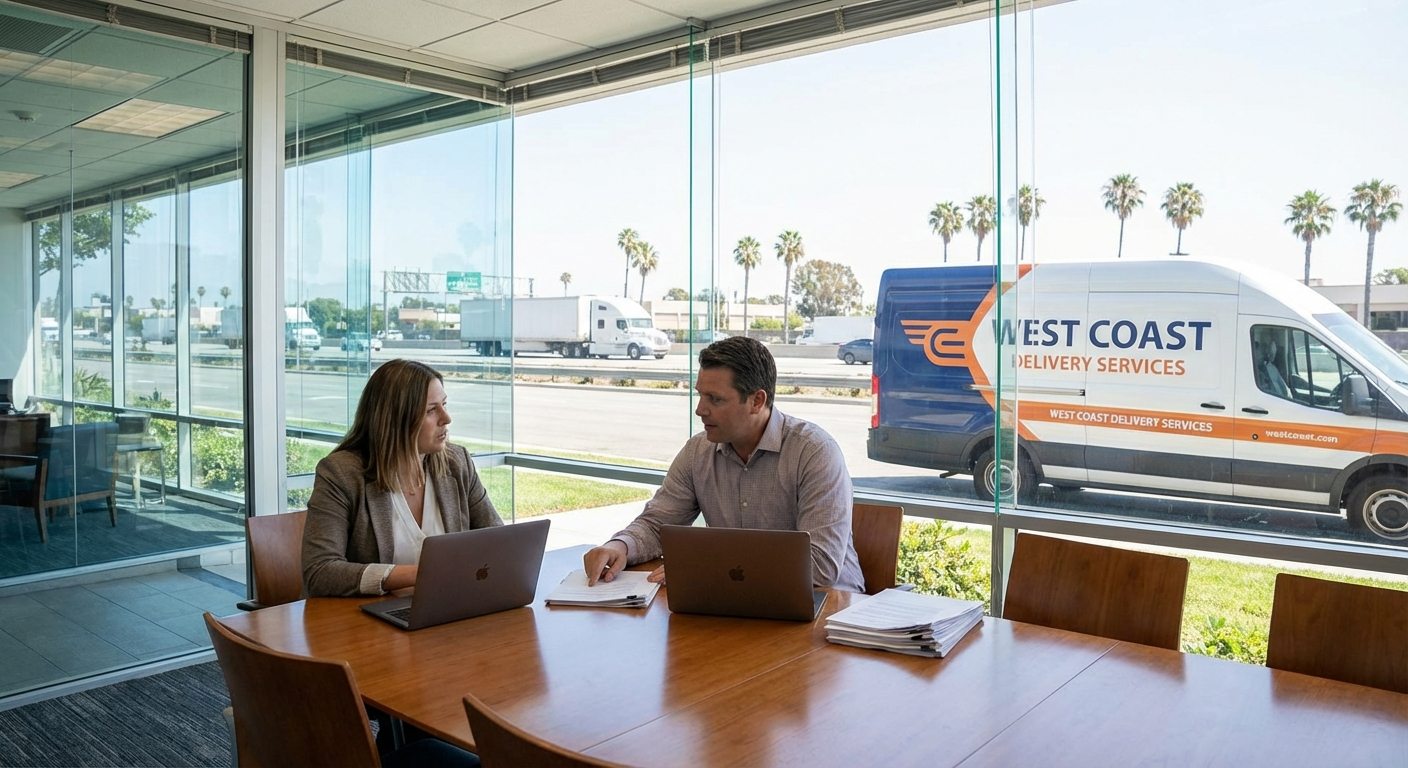
You’ve probably considered picking up some extra cash driving for Uber, Lyft, DoorDash, or Grubhub. Millions of Californians do it. But this kind of “gig economy” work created a huge gray area in auto insurance. You see, while you’re waiting for a fare or a delivery, your personal policy might cover you. But the moment you accept a ride or pick up food, you’re technically driving for commercial purposes.
Companies like Uber and Lyft do provide some liability coverage, but it’s often a “gap” coverage. It kicks in *after* your personal policy denies a claim, and it might not cover everything. For instance, what if you’re logged into the app, but haven’t accepted a ride yet, and you get into an accident? That’s often a blind spot. Many personal insurers now offer specific “rideshare endorsements” or “hybrid policies” that bridge this gap, extending your personal coverage to include the period you’re logged into the app but haven’t yet picked up a passenger or delivery. It’s not a full commercial policy, but it’s a step in the right direction for these specific uses. Don’t skip it if you’re doing this kind of work.
What Kind of Commercial Policy Do You Need? (It’s Not One-Size-Fits-All)
Just like businesses themselves, commercial auto policies come in all shapes and sizes. There isn’t one magic policy that fits every California business.
If you own a small landscaping company in the Central Valley with just one truck, you’ll need a “business auto policy.” This is similar to a personal policy but with higher liability limits and coverage specifically designed for commercial exposures.
But wait — what if your employees sometimes use their own cars to run errands for your business? That’s where “non-owned auto liability” comes in. It protects your business if an employee gets into an accident while driving their personal vehicle for work.
Then there are bigger operations. A construction company in Ventura County with a fleet of dump trucks, excavators, and vans will need a “fleet policy.” These policies cover multiple vehicles under one umbrella, often with specialized coverages for heavy equipment. The Gross Vehicle Weight (GVW) of your vehicles plays a huge role here. A light-duty pickup truck is rated very differently than a 26,000-pound box truck.
Some businesses also need “commercial general liability” (CGL) insurance, which covers things like slip-and-falls at your business location or property damage you cause to a client’s property *apart from* a vehicle accident. It’s not auto insurance, but it often goes hand-in-hand with it for many businesses. For instance, that handyman in Sacramento? He’d likely need both business auto for his truck and CGL for his work on client premises.
Key Coverages You’ll See (and Need!)
When you look at a commercial auto policy, you’ll see some familiar names, but with bigger numbers and some unique additions.
* Bodily Injury & Property Damage Liability: This is the big one. It pays for injuries to others and damage to their property if you’re at fault. For commercial policies, you’ll typically see limits starting at $100,000 or $300,000 per accident, and often much higher.
* Uninsured/Underinsured Motorist: California has a lot of drivers without enough, or any, insurance. This coverage protects *you* and your passengers if an uninsured or underinsured driver hits you.
* Collision & Comprehensive: These cover damage to *your* vehicle. Collision covers accidents, and comprehensive covers things like theft, vandalism, or hitting a deer.
* Medical Payments: Pays for reasonable medical expenses for you and your passengers, regardless of who’s at fault.
* Cargo Coverage: This is specific to businesses that transport goods. If your delivery van carrying expensive electronics gets into an accident, this coverage helps replace the lost or damaged cargo.
* Non-Owned Auto Liability: As mentioned, this is for when employees use their personal vehicles for business. It protects the business, not the employee’s personal vehicle.
* Hired Auto Liability: If you rent a car or truck for your business, this covers its liability while you’re driving it.
What Drives Your Commercial Premium Up (or Down) in California
So, what makes your commercial auto insurance bill what it is? A bunch of factors, and they’re often more complex than with personal insurance.
First, there’s the obvious: your vehicle. Is it a small sedan or a heavy-duty truck? The bigger and heavier it is, the more damage it can cause, and the higher your premium. Its age and value also play a role.
Then there’s your drivers. Every driver on your policy will have their Motor Vehicle Record (MVR) checked. A clean driving record for your team means lower rates. Accidents, tickets, DUIs — those will send your premiums soaring. In California, with its crowded roads and often aggressive driving, MVRs are scrutinized.
Your industry matters a lot. A flower delivery service generally has a lower risk profile than a construction company hauling heavy machinery. Certain industries, like trucking or hazardous material transport, are inherently riskier and command higher premiums.
Where you operate in California also makes a difference. Driving exclusively in a quiet rural area might be cheaper than constantly navigating the congested streets of downtown Los Angeles or San Francisco. The frequency of accidents and vehicle theft rates in your primary operating areas directly affect your costs.
How many vehicles you have, and how far they travel each day (your “radius of operation”), are also key. A local plumber covering a 20-mile radius is different from a long-haul trucker crisscrossing the state.
That’s not the whole story. The overall California insurance market is tighter than it’s been in years. We’ve seen major carriers like State Farm, Farmers, and AAA pull back on offering new policies, even for personal lines. This reduction in competition can affect commercial rates too, making it harder to find affordable coverage, especially for certain types of businesses or higher-risk profiles. The costs of repairs, medical care, and litigation have jumped significantly, leading insurers to re-evaluate their pricing models across the board. Premiums jumped 40% between 2022 and 2024 for many commercial policies, reflecting these rising costs.
Finding the Right Fit: Don’t Go It Alone
Trying to figure out commercial auto insurance on your own is like trying to fix a complex engine without a mechanic. It’s complicated, full of jargon, and if you mess it up, the consequences can be severe. This isn’t the place for guesswork.
This is exactly why you need an experienced, independent insurance agent. Someone who understands the unique ins and outs of California’s commercial insurance market. Someone who can ask the right questions, identify your specific risks, and then shop around with multiple carriers to find the best policy for your business.
Karl Susman of California Car Insurance Pros, CA License #OB75129, has spent years helping California businesses like yours make sense of this stuff. He knows the carriers, he understands the coverages, and he can guide you through the process. Honestly, trying to piece together a commercial policy from an online form without expert advice is a recipe for trouble.
One big piece of advice: be completely upfront and honest about how you use your vehicles. Don’t try to minimize your commercial activities or hide anything. If an insurer discovers misrepresentation after a claim, they can deny it, leaving you holding the bag. A good agent will help you accurately represent your business to the carriers, ensuring you get the right coverage from the start.
Ready to talk about what your business really needs?
Get a commercial auto insurance quote today!
What to Expect When Getting a Quote
Getting a commercial auto insurance quote isn’t quite as quick as getting a personal one. There’s more information to gather, and insurers often take a closer look at your business operations.
You’ll need details about your business: its legal structure, how long you’ve been in business, your Federal Employer Identification Number (FEIN). You’ll also need a list of all vehicles you want to insure, including their VINs, year, make, model, and how they’re used. For each driver, you’ll need their names, dates of birth, and driver’s license numbers. Be prepared to talk about your company’s claims history, if any.
The process usually involves a conversation with an agent who will ask about your operations: what you transport, your typical radius of operation, whether employees use their own vehicles, and any specialized equipment. It’s a dialogue, not just filling out a form. A good agent, like Karl Susman, will ask probing questions to make sure nothing is missed. You can reach his agency directly at (877) 411-5200.
Finding the right commercial auto insurance for your California business isn’t just about checking a box; it’s about protecting your livelihood. It’s an investment in peace of mind.
Start your commercial auto insurance quote right here.
Frequently Asked Questions About Commercial Auto Insurance in California
-
Do I really need commercial auto insurance if I only use my personal car for business a few times a month?
Yes, absolutely. Even occasional business use can void your personal policy’s coverage if an accident occurs. The moment you’re driving to earn money, whether it’s delivering a few packages or taking a client to lunch, you’re usually stepping into commercial territory. It’s better to have the right coverage than face a denied claim.
-
What’s the difference between a business auto policy and a commercial general liability (CGL) policy?
A business auto policy covers your vehicles for things like accidents, theft, and liability for injuries or damage you cause while driving. A CGL policy, on the other hand, covers your business for broader risks like slip-and-falls at your business location, product liability, or property damage you cause to a client’s property that isn’t related to a vehicle accident. Many businesses need both.
-
My business is small, just me and my van. Can I get away with just higher limits on my personal policy?
Not typically. While increasing limits on a personal policy is smart, it won’t change the fact that most personal policies have exclusions for business use. If your van is primarily used for work, an insurer will almost certainly classify it as a commercial vehicle, regardless of your personal limits. You need a policy specifically designed for that commercial risk.
-
Will adding commercial auto insurance significantly increase my costs?
It’s likely to be more expensive than a personal policy, yes. Commercial use presents higher risks to insurers – more time on the road, heavier loads, more potential for liability. However, the cost varies greatly depending on your vehicle type, industry, driving records, and location. The alternative, facing a massive lawsuit without coverage, is far more expensive.
This article is for informational purposes only and does not constitute financial advice.