Leasing a Car in California? Your Insurance Needs a Closer Look.
So, you’re eyeing that sleek new ride, picturing yourself cruising down PCH or zipping through the canyons outside Malibu. Leasing a car in California feels like freedom. You get that new car smell, lower monthly payments than buying, and the latest tech without the long-term commitment. Sounds pretty good, right? But here’s the thing: that freedom comes with a few strings attached, especially when it comes to insurance. Big strings.
Most folks know California has minimum auto insurance requirements. We’re talking about liability coverage – the stuff that pays for damages or injuries you cause to others. The state says you need at least $15,000 for injury or death to one person, $30,000 for injury or death to more than one person, and $5,000 for property damage. That’s often called 15/30/5 liability. Honestly, those numbers are barely enough to cover a fender bender on the 405, let alone a serious accident. For a leased car, those state minimums aren’t even in the ballpark.
Why Lessors Demand More (A Lot More)
Think about it: when you lease a car, you don’t actually own it. The leasing company does. They’ve got a lot of money tied up in that vehicle. If something happens to it – a major crash, theft, fire – they want to make sure their investment is protected. They’re not going to rely on California’s bare-bones minimums. Not a chance.
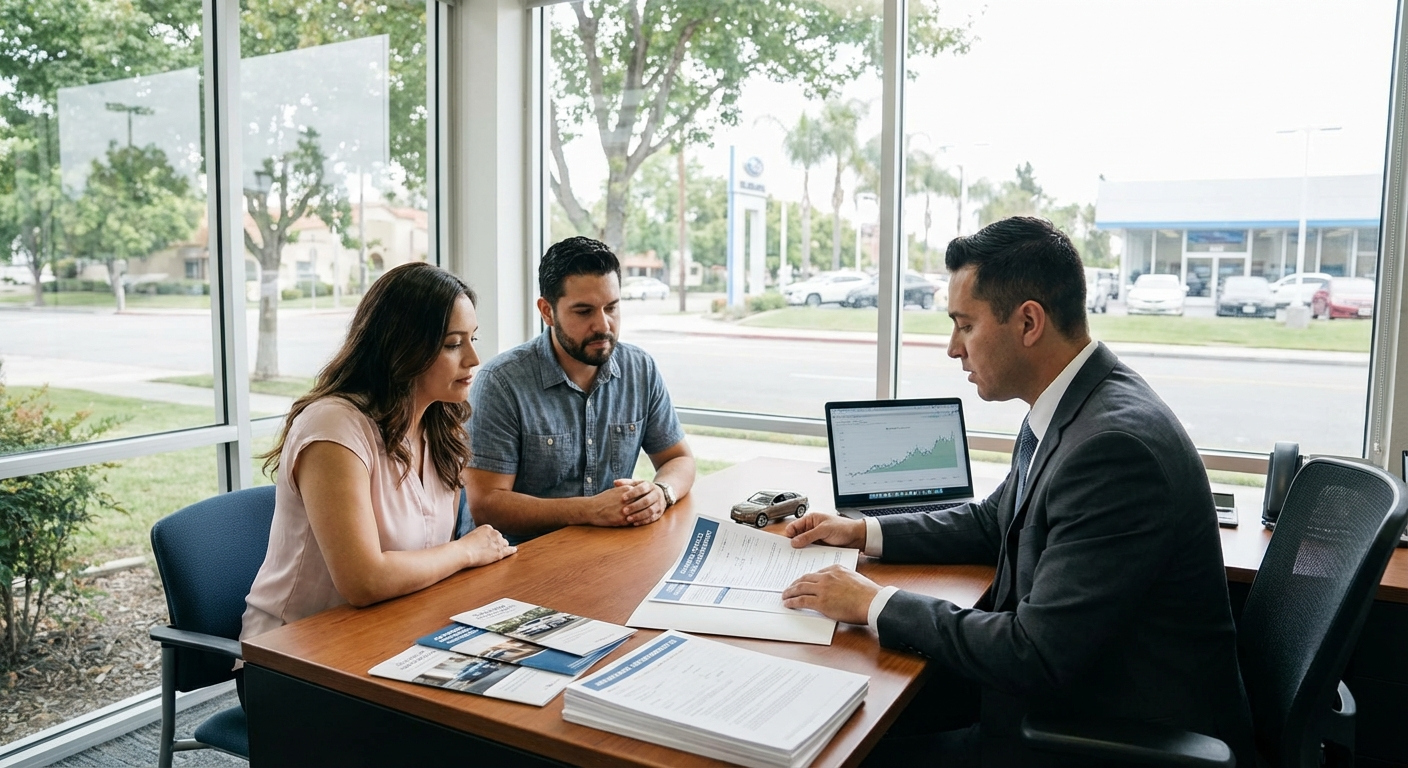
Which brings up something most people miss. Your lease agreement, buried in all that paperwork, will spell out exactly what kind of insurance you need. It’s usually a lot more robust than what the state requires. We’re talking higher liability limits, plus collision and comprehensive coverage with specific deductibles. Ignore these requirements at your peril. Seriously, the leasing company can force-place insurance on you if you don’t comply, and trust me, that’s not only expensive but often offers less protection for you.
The Big Three: Liability, Collision, and Comprehensive
Let’s break down what your lessor will typically ask for:
- Higher Liability Limits: Those 15/30/5 state minimums? Your leasing company will probably demand something like 100/300/50, or even 250/500/100. This means $100,000 for injury to one person, $300,000 for injury to multiple people, and $50,000 for property damage. Why so high? Because accidents in California, especially in congested areas like Orange County or the Bay Area, can get incredibly expensive. A serious injury claim can easily run into hundreds of thousands of dollars.
- Collision Coverage: This pays for damage to your leased car if you’re at fault in an accident, or if you hit an object like a tree or a pole. Lessors almost always require this. They’ll also specify a deductible, usually $500 or $1,000. That’s the amount you’d pay out of pocket before your insurance kicks in.
- Comprehensive Coverage: This covers damage to your car from things other than collisions. Think theft, vandalism, fire (a real concern with the 2025 LA fires always a possibility), falling objects, or hitting an animal. Like collision, lessors will require this with a specific deductible.
Without collision and comprehensive, if your leased car is stolen or totaled, the leasing company is out a lot of money. They won’t let that happen. You’re signing a contract to protect their asset.
GAP Insurance: Your Lease’s Best Friend
Here’s where it gets interesting. Even with collision and comprehensive coverage, there’s a gap – literally – that can leave you in a financial bind. It’s called the “gap” between what your car is worth and what you still owe on your lease. This is where GAP insurance comes in, and for leased cars, it’s pretty much non-negotiable for most lessors.
Imagine this: You lease a car for $35,000. Six months later, you’re driving through the Central Valley, and boom, you get into an accident. The car is totaled. Your insurance company assesses the actual cash value of the car at the time of the accident – let’s say it’s now only worth $28,000. But you still owe the leasing company $32,000 on your lease agreement. See the problem? That $4,000 difference? That’s on you. Your standard collision and comprehensive policy won’t cover it.
GAP insurance steps in to cover that difference. It’s a lifesaver. Without it, you could be paying for a car you no longer have. Some leasing companies build GAP into the lease payment, but many don’t. Always check. It’s a small premium that can save you a huge headache and a hefty bill.
Finding the Right Policy in California’s Shifting Market
Okay, so you know you need more than the state minimums. How do you actually get it? First, don’t just accept the insurance offered by the dealership. While convenient, it’s not always the best deal. You have choices. Lots of them. Insurers like State Farm, AAA, Farmers, Progressive, and many others operate in California, and their rates can vary wildly based on your driving record, where you live (think about how different rates might be in, say, San Francisco versus Redding), and even your credit history.
Premiums in California have been a bit of a rollercoaster lately. Remember how premiums jumped 40% between 2022 and 2024 for some drivers? That’s the reality we’re facing. Factors like the rising cost of repairs, increased claim frequency, and even the changes to the FAIR Plan affecting property insurance indirectly influence auto rates. Prop 103, while designed to protect consumers, can also make it tricky for insurers to adjust rates quickly enough to cover their costs, leading some to be pickier about who they insure.
This is where getting personalized advice truly matters. You want an expert who understands the nuances of California’s insurance market and, crucially, the specific demands of your lease agreement. Someone who can shop around for you.
That’s where Karl Susman from California Car Insurance Pros comes in. With his CA License #OB75129, he’s seen it all and helped countless Californians find the right coverage. He understands the nitty-gritty of lease requirements and can help you compare options from various carriers, ensuring you meet your lessor’s demands without overpaying.
Finding the right insurance for your leased vehicle doesn’t have to be a nightmare. It just requires a little extra attention and the right guidance. Don’t wait until you’re signing the lease papers to think about it. Get ahead of the game.
Ready to get a quote and make sure your leased car is properly protected? Click here to get a personalized quote today!
What Happens if You Don’t Meet Lease Insurance Requirements?
This is a question many people casually brush aside. But here’s the honest truth: the consequences can be pretty severe. If you fail to maintain the required insurance coverage, your leasing company has every right to protect its asset. They might:
- Force-Place Insurance: This is the most common scenario. The lessor will purchase insurance on your behalf, often called “collateral protection insurance.” It covers their interest in the vehicle, but usually offers very limited or no liability coverage for you. And it’s almost always significantly more expensive than a policy you’d buy yourself. Those premiums will be added to your monthly lease payment.
- Charge Fees: Many lease agreements include penalties and fees for non-compliance. These can add up quickly.
- Terminate Your Lease: In extreme cases, if you consistently fail to meet the insurance requirements, the leasing company could declare you in default of your contract. This could lead to repossession of the vehicle, damaging your credit, and still owing money on the lease. Not a fun situation at all.
It pays to be diligent. Double-check your lease agreement, talk to your insurance agent, and make sure your policy matches what’s required. It’s a small investment of time for a lot of peace of mind.
Still have questions about what you need? Karl Susman and the team at California Car Insurance Pros are here to help. They know the California market inside and out. Get a quote now and let them simplify your search.
Frequently Asked Questions About Leased Car Insurance in California
Q: Do I really need GAP insurance for my leased car?
A: The short answer is yes. The real answer is more complicated, but usually yes. While not always legally mandated by the state, most leasing companies require it. More importantly, it protects you from owing thousands of dollars if your car is totaled or stolen and its market value is less than what you still owe on the lease. It’s an often-overlooked but incredibly important coverage for leased vehicles.
Q: Can I use my existing auto insurance policy for a leased car?
A: Maybe. You can certainly use your current insurer, but you’ll almost definitely need to adjust your coverage. Your existing policy probably only meets California’s minimum liability requirements, or perhaps slightly more. For a leased car, you’ll need to increase liability limits significantly and add comprehensive and collision coverage with specific deductibles, plus likely GAP insurance. It’s not a simple transfer; it’s an update.
Q: How do leasing companies verify my insurance?
A: They’re pretty good about it. When you sign the lease, you’ll provide proof of insurance. The leasing company will often contact your insurer directly to verify coverage details. They also regularly audit their leased vehicles’ insurance status. If your policy lapses or doesn’t meet their requirements, you’ll hear from them quickly – often with a notice that they’ve force-placed coverage on your behalf, which as we discussed, isn’t ideal.
Q: Will my car insurance be more expensive if I lease instead of buy?
A: Potentially, yes. Because lessors require much higher coverage limits and additional types of coverage like collision, comprehensive, and GAP, your monthly premium will likely be higher than if you were just insuring a car you owned with only state minimums. However, comparing it to buying a car with a loan and needing similar full coverage, the difference might not be as dramatic. It really depends on the car, your driving record, and the specific coverages required.
This article is for informational purposes only and does not constitute financial advice.