The Moment Your World Tilts: A Glendale Parking Lot Story
Imagine the scene: It’s a bright Saturday morning. The Chengs, a family from Glendale, are heading to Porto’s for their weekly pastry run. Mrs. Cheng is backing their Honda CR-V out of a tight spot, inching along, when BAM! A pickup truck, not paying attention, backs right into her rear bumper. Not a huge impact, just enough to leave a nasty dent and a knot in her stomach. Her first thought isn’t about the car, it’s about her kids in the back seat. Luckily, everyone’s fine. Just shaken.
This is how most California car insurance claims start: with an unexpected moment of chaos. What you do in the seconds and minutes after an accident can make a big difference in how smoothly your claim goes. First things first, check on everyone. Safety is always number one. Even for a minor fender-bender, pull over to a safe spot if you can. Turn on your hazard lights.
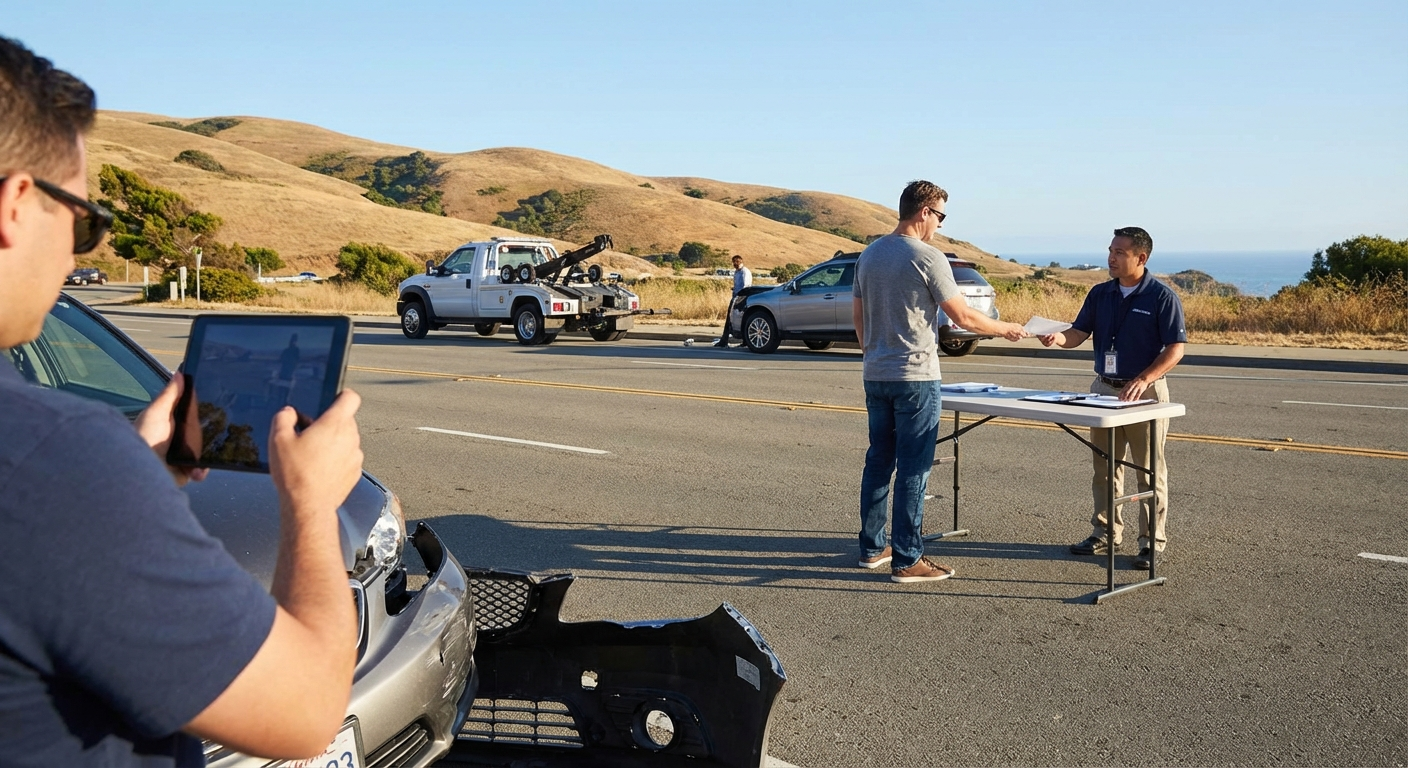
Next, you’ll need information. Get the other driver’s name, phone number, insurance company, and policy number. Don’t forget their license plate and driver’s license number. Snap photos of everything: the damage on both cars, the scene itself, road signs, even tire marks if there are any. Get multiple angles. These pictures are proof. They tell a story. The Chengs were smart; Mr. Cheng pulled out his phone right away.
It’s common for drivers to exchange pleasantries, apologize even. But here’s where it gets interesting: try to stick to facts. Don’t admit fault, even if you think you might be partially to blame. Let the insurance companies figure that out. Just collect the information.
Getting the Ball Rolling: Reporting Your Claim
Once you’re home and the adrenaline has worn off, it’s time to report the accident. Most people call their own insurance company first. You should do this pretty quickly, often within 24 to 72 hours. Some policies have specific reporting deadlines, so it’s a good idea to know yours.
You’ll give them the basics: date, time, location, a brief description of what happened, and the other driver’s information. This initial report sets things in motion. They’ll create a claim number for you. Keep that number handy; you’ll use it a lot.
But wait — what if the other driver was clearly at fault? You might wonder if you should call their insurance company instead. You can, of course. But dealing with your own insurer usually feels more direct, especially if you have collision coverage. They’re on your side, so to speak. They can deal with the other company later through a process called subrogation.
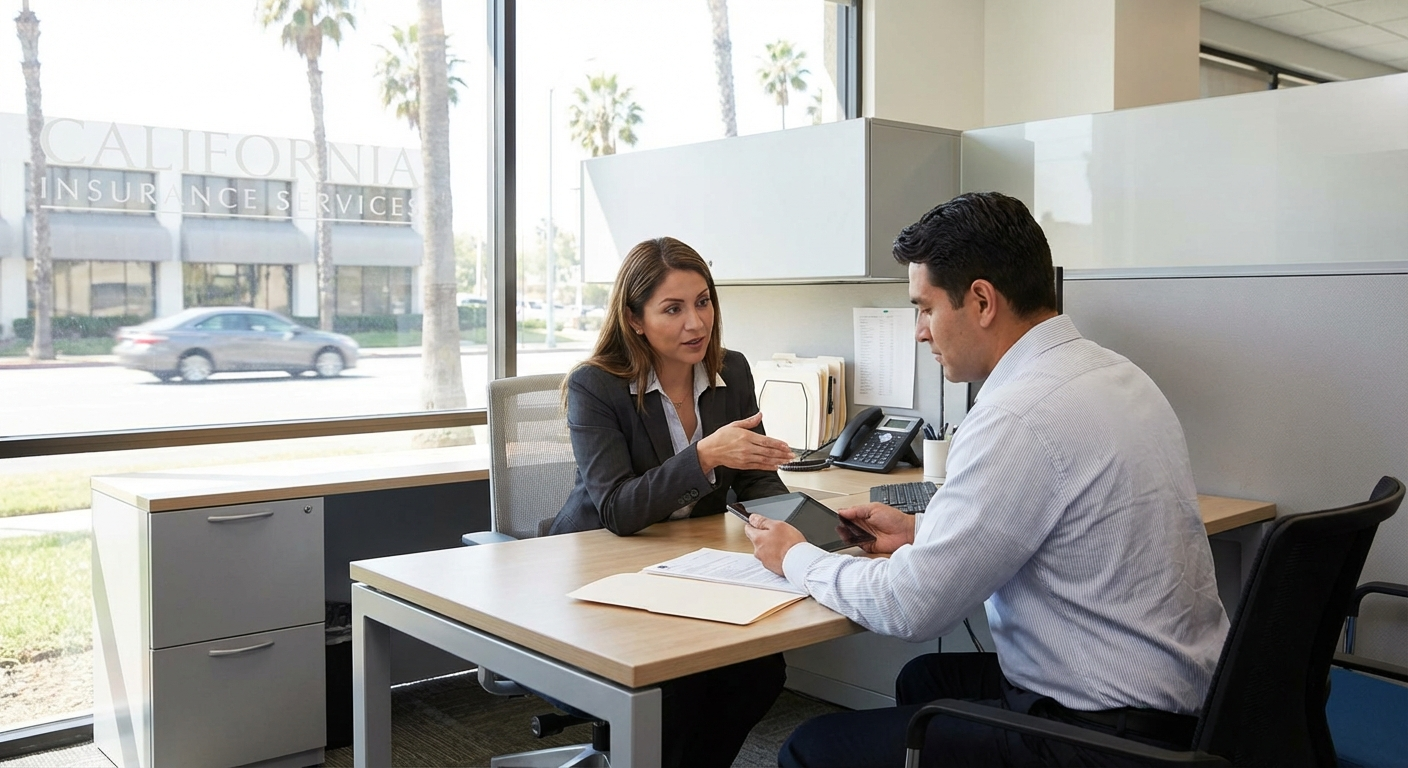
This is where having a good agent makes a real difference. Someone like Karl Susman from California Car Insurance Pros (CA License #OB75129) can guide you through these initial steps. He’s seen it all. He can tell you if it’s better to file directly with your company or wait for the other side. You can reach his team at (877) 411-5200.
The Adjuster Steps In
After you report the claim, an insurance adjuster gets assigned. Think of them as the detective for your accident. Their job is to investigate. They’ll look at the damage, review the police report (if there was one), talk to witnesses, and sometimes even speak with both drivers.
For the Chengs’ fender bender, the adjuster probably just asked for photos and maybe a quick description over the phone. For more serious accidents, say if Mrs. Cheng had been involved in a multi-car pileup on the 101 near Thousand Oaks, an adjuster would definitely want to see the car in person. They might even send someone to the scene.
The adjuster will determine who was at fault and estimate the damage. This part can feel a bit like a negotiation. They’ll look at repair costs, potentially medical bills, and any other expenses related to the accident.
Repairing the Damage, or Replacing What’s Lost
Once the adjuster has assessed the damage, they’ll give you an estimate for repairs. Here’s something most people miss: you don’t *have* to use the repair shop your insurance company suggests. California law gives you the right to choose your own auto body shop.
Many insurers have “direct repair programs” (DRPs) with shops they trust. These shops often offer guarantees on their work and can make the process faster. But if you have a shop you prefer, maybe one that’s done great work for you in the past, you can absolutely take your car there. Just make sure the shop provides a detailed estimate to your insurance company.
Sometimes, the estimates from your chosen shop and the insurer’s preferred shop might differ. This is normal. Your adjuster should work with your shop to come to an agreed-upon repair cost. It might involve a little back and forth, but they usually get there.
Which brings up something most people miss: parts. Will the shop use original equipment manufacturer (OEM) parts, or aftermarket parts? OEM parts are made by the car’s manufacturer. Aftermarket parts are made by other companies. Insurers often prefer aftermarket parts because they’re cheaper. But you can push for OEM parts, especially on newer cars or for structural components. Your policy details matter here.
When the Other Driver’s Insurance Is Involved
Let’s say the truck driver in the Porto’s parking lot was clearly at fault. The Chengs could have gone straight to his insurance company. If they did, that company would handle the repairs and maybe even provide a rental car. This is called a “third-party claim.”
The challenge with third-party claims? That insurance company represents their insured, not you. Their goal is to pay out as little as possible. This isn’t always a bad thing, but it means you might have to be a bit more assertive.
This is where your Uninsured/Underinsured Motorist (UM/UIM) coverage becomes incredibly important, especially in California. It’s not uncommon to encounter drivers without enough insurance, or sometimes, none at all. If the other driver only had the bare minimum liability coverage – which is pretty low in California – and your damages are more than that, your UIM coverage can step in to cover the rest. It’s a lifesaver, truly.
The Long Haul: Avoiding Pitfalls and Protecting Your Rights
Sometimes, claims drag on. Delays happen. Maybe the adjuster is swamped. Maybe they’re having trouble getting information from the other driver. It can be frustrating.
Your best defense against delays? Stay organized. Keep a log of every phone call, every email, every document. Note down who you spoke to, when, and what was discussed. Follow up politely but firmly. Send emails summarizing phone conversations. These records are your best friend if things get sticky.
California has some strong consumer protection laws for insurance. Prop 103, for example, gives consumers rights regarding how rates are set and how claims are handled. It means insurers have to play fair. If you feel like your claim is being unfairly delayed or denied, you have options.
This is another moment when an experienced agent can really shine. Karl Susman, with California Car Insurance Pros (CA License #OB75129, phone (877) 411-5200), isn’t just there to sell you a policy. He’s there when you need to make a claim. He can act as an advocate, helping you understand your rights and pushing the insurance company when necessary. That’s a huge weight off your shoulders during a stressful time.
If you’re feeling lost, don’t wait. Get a free, no-obligation quote today and speak with an expert about your coverage and what to expect during a claim. Visit https://californiacarinsurancepros.com/quote/.
What If It’s a Total Loss?
What if the damage is so severe that repairs would cost more than the car is worth? This is called a “total loss.” For example, if a car is involved in one of those rare but devastating flash floods in the Inland Empire, it might be totaled. Or, if the Chengs’ Honda had been T-boned on the 5 Freeway, it could easily be beyond repair.
The insurance company determines the actual cash value (ACV) of your car right before the accident. They look at factors like its make, model, year, mileage, condition, and recent sales of similar vehicles in your area. They’ll then offer you a settlement based on that ACV, minus your deductible.
Often, people feel the ACV is too low. You can absolutely try to negotiate. Do your own research. Find comparable cars for sale online. Gather receipts for recent repairs or upgrades. Present this information to your adjuster. It might not get you a brand-new car, but it could bump up the offer.
Looking Ahead: Your Policy and Your Peace of Mind
After a claim, many people worry about their rates going up. The short answer is yes. The real answer is more complicated. If you’re found at fault, your premiums will likely increase. This is especially true in California, where premiums jumped 40% between 2022 and 2024 for some drivers. Even if you’re not at fault, sometimes a claim can still impact your rates, though usually less dramatically. Insurers look at your claims history.
The best way to feel secure about the claims process is to understand your policy *before* an accident happens. Do you have collision and comprehensive coverage? What are your deductibles? Do you have rental car reimbursement? What about medical payments coverage, which is often a good idea to have in California?
A quick chat with an insurance professional can clarify all of this. They can make sure your policy truly protects you, whether you’re driving through the dense traffic of the Valley or taking a scenic route up the coast.
Ready to check your coverage or compare options? Head over to https://californiacarinsurancepros.com/quote/ and get your free quote. It could save you a lot of headache down the road.
FAQs About CA Car Insurance Claims
How long does a car insurance claim usually take in California?
There’s no single answer here. A simple fender-bender might be resolved in a few weeks. A more complex claim involving injuries, multiple parties, or a total loss could take months, sometimes even longer. California law generally requires insurers to acknowledge a claim within 15 days, accept or deny it within 40 days, and make payments within 30 days of reaching a settlement. But investigations can extend these timelines.
Will my rates definitely go up after I file a claim?
Not always. If you’re found to be not at fault for an accident, your rates might not increase. However, if you are at fault, it’s quite likely your premiums will rise. Also, some insurers might view any claim, even a no-fault one, as an increased risk, which could subtly influence future rates or renewal offers.
What if I disagree with the adjuster’s damage estimate?
You absolutely have the right to disagree. Get your own estimates from reputable repair shops. If your shop’s estimate is higher, present it to your adjuster. They should work with your chosen shop to agree on a fair repair cost. If you still can’t agree, you might consider getting an independent appraisal, which is sometimes covered by your policy, or consulting with an expert like Karl Susman.
Do I have to use the repair shop my insurance company suggests?
No. California law protects your right to choose any licensed repair shop you prefer. Your insurance company can suggest shops from their direct repair program, but you are not obligated to use them. Just make sure your chosen shop provides a detailed, written estimate to your insurer.
This article is for informational purposes only and does not constitute financial advice.